
5 Hidden Home Value Risks Maryland Buyers Should Know
Not every home that loses value looks like a bad investment on paper. Some of the riskiest properties I see in Maryland look completely normal, until you try to sell them. Then the objections start piling up, your buyer pool shrinks, and you're left negotiating from a weaker position than you ever expected.
This is Part 2 of my breakdown of the 10 types of homes in Maryland that struggle to appreciate over time. Today I'm covering risks 6 through 10: homes near highways and rail corridors, oil heat systems with underground tanks, investor-saturated neighborhoods, county tax rate boundaries, and environmental legacy sites. These are the hidden factors that relocating buyers overlook until it's too late.
I've been working in this market for over 20 years, and I'm not here to tell you never to buy these homes. I'm here to make sure you go in with your eyes open, knowing exactly what the trade-off is and how to price or negotiate accordingly.
Table of Contents
Homes Near Highways & Rail Corridors
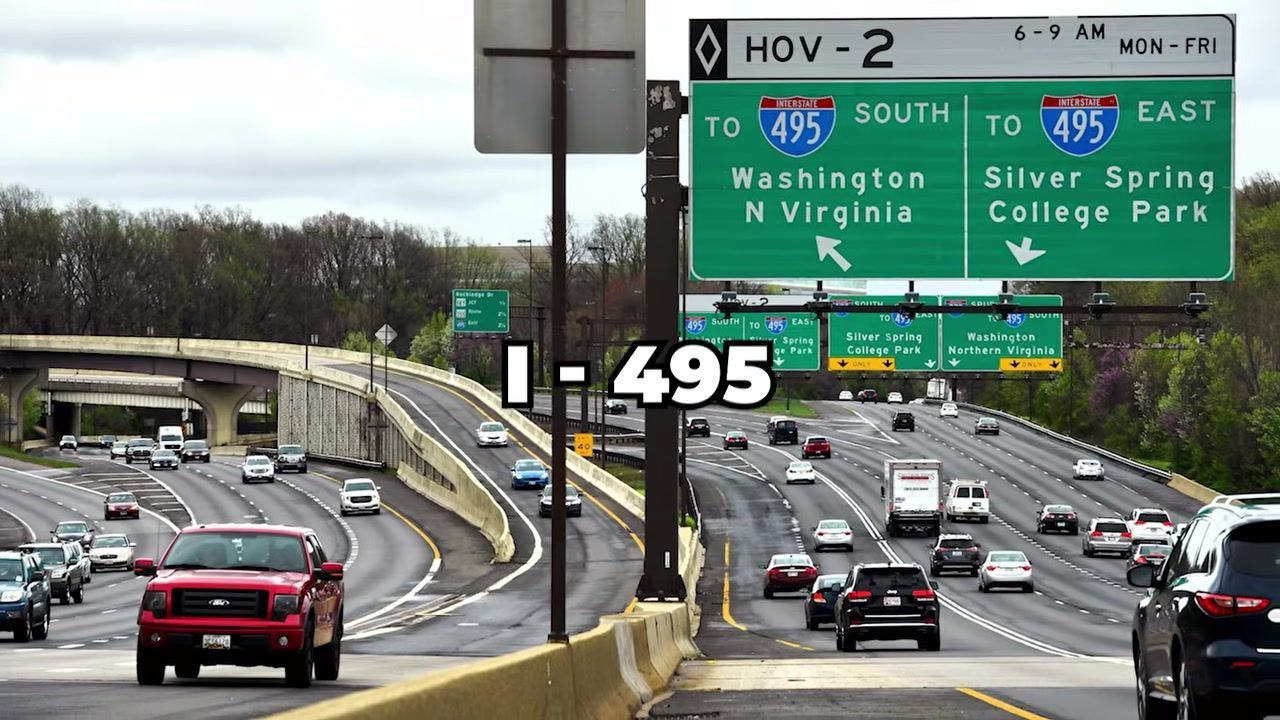
Proximity to traffic and rail corridors affects more homes in Maryland than most buyers realize. I'm talking about homes that back up to 495, homes along Route 355, Route 29, Route 270, homes near above-ground Metro segments, and homes near CSX freight lines. And yes, freight trains run at night both directions on no particular schedule. That noise is permanent.
Here's the thing about selling one of these homes: the road or rail line is going to come up in every single showing. It's a permanent objection in your buyer pool, which means your pool is narrower and your leverage at negotiation is lower. You're not competing on an even playing field with comparable homes a few streets over that don't have that noise.
I'm not saying don't buy these homes. Sometimes the price is right and the trade-off makes sense. But the home has to represent such a compelling value that the buyer is willing to accept it. Go in knowing exactly what the trade-off is and price or negotiate accordingly. If you're paying market rate for a home that backs to a freight line, you're overpaying.
Oil Heat Systems & Underground Tanks
Oil heat comes up constantly in my conversations with buyers and sellers, especially in the older neighborhoods of Montgomery County like Potomac and Prince George's County . A lot of homes in this area were built before natural gas infrastructure was widespread, and those homes still have oil heat systems.
Sometimes the tank is in the basement, visible, relatively straightforward. You contract a service, they fill it automatically. It's easy. I grew up with oil heat, and honestly, some people prefer it. But sometimes the oil tank is underground, and this is where things get complicated.
Decommissioning an underground oil tank is not cheap. We're talking $3,000 on the low end and easily over $10,000 if there's any contamination involved. And lenders are flagging these more and more during the mortgage process. I've had transactions where the oil tank comes up at the inspection and suddenly we're negotiating who's responsible for decommissioning it before we even get to closing. This is not a conversation anyone wants to have.
If you're buying an older home, ask the question before you make an offer. And if you're selling a home with oil heat, we'll talk about how to get ahead of this at the end of this article.
Investor-Saturated Neighborhoods
I want to be upfront with you here. This isn't about one single client story. This is about a national trend that is quietly showing up in our markets, and I think you need to know about it.
According to a joint report from the Lincoln Institute of Land Policy, this came out just last year, nearly 9% of residential parcels across 500 US counties are now owned by a corporation, an LLC, a hedge fund, or an out-of-state investment group. And here's what really got my attention: cash-only transactions now make up nearly a third of all single-family home sales. These aren't families with briefcases full of cash. That's investor capital moving fast.
And Maryland is specifically on that radar. We rank as the 2nd most profitable state in the country for fix-and-flip investors right now. This is not a coincidence.
Here's why that matters to you as a buyer. When you buy in a neighborhood where a high percentage of homes are investor-owned rentals, you are shrinking your future buyer pool. Owner-occupied buyers, the ones who will pay full price because they love the neighborhood, they look at owner-occupancy rates. Lenders look at them too. And when too many homes are rentals, the neighbor dynamic shifts. Maintenance standards vary. Turnover increases. And when you go to sell, you may find yourself competing against other sellers in a neighborhood that serious buyers have quietly stopped considering.
Here's what you can do before you make an offer: ask your agent to pull public records and check how many homes on the street or in that community are owned by LLCs or out-of-state entities. It's public information, takes about 10 minutes, and it can tell you a lot about where that neighborhood is headed.
County Tax Rate Boundaries
This one surprises people that are new to the DMV because they don't realize that here, you can literally cross the street and be in a completely different tax environment. Prince George's County has a higher property tax rate than Montgomery County . Montgomery County has a different structure than Fairfax County . And inside those counties, there are additional tax districts and fees that vary neighborhood by neighborhood.
Here's why this matters. Buyers are not just buying a home, they're buying a monthly payment, and property taxes are part of that payment. So if two homes look identical, same size, same condition, same neighborhood feel, but one carries a significantly higher tax bill, buyers will discount it. Every single time.
Homes in higher tax jurisdictions tend to appreciate more slowly, not because they're less desirable, but because the total cost of homeownership is higher. And that all factors into what buyers are willing to pay over time. Before you buy, just know which jurisdiction you're buying in and what it truly costs.
Environmental Legacy Sites
This one affects fewer homes, but when it affects yours, it is a serious problem. I'm talking about proximity to environmental legacy sites. Maryland's older DC suburbs have a history. There was industrial activity here, dry cleaning operations, manufacturing, old commercial sites that left contamination behind. Some of those Superfund-adjacent sites are closer to some residential neighborhoods than most people think.
Homes near known contamination face real challenges. Appreciation is slower, financing can get complicated, and your buyer pool shrinks significantly because sophisticated buyers do their research. And when they find a red flag in the environmental history of an area, they move on.
The EPA has a public database. It's free. It's searchable by address, and your agent should be running it as a part of due diligence on any home you're seriously considering. And that's really what this whole list is about. Not alarm, just information.
What Current Homeowners Need to Know
Here's what I want to say to anyone who's reading this blog who already owns one of these homes: this is not a reason to panic. Most of these risks are manageable when you understand them and know how to get ahead of them, and that's exactly where I come in.
If you're thinking about selling a home that falls into any of these categories, the worst thing you can do is go on the market without a strategy. I help sellers in the DMV navigate exactly these kinds of situations every single day. We figure out how to price it correctly, how to frame it for the right buyer, and how to get ahead of the deal-killing surprises before they show up mid-transaction.
The bottom line here is this: Maryland is not a failing market. I would not have moved back here after being gone for almost two decades and built my life here if it were. But it is a hyper-local, nuanced market, and the homes that lose value are almost never the ones that looked obviously risky. They're the ones that looked completely normal until they didn't.
Which Risk Matters Most for Your Situation
Not every risk on this list will affect every buyer the same way. If you're relocating to Bethesda or Rockville and you work from home, highway noise might not bother you as much as it would someone commuting daily. If you're buying in Gaithersburg or North Potomac and you plan to stay long-term, an underground oil tank is a one-time expense you can negotiate into the purchase price.
But if you're buying as an investment or you think you might need to sell in the next five to seven years, these risks compound. You're not just dealing with the inconvenience, you're dealing with a smaller buyer pool, longer days on market, and lower offers when you go to sell.
Before you make an offer on any home in Maryland, ask yourself: am I buying this home because it's a great deal, or am I buying it because I don't know what I don't know? If it's the latter, reach out. I'd rather have a 15-minute conversation with you now than watch you try to unwind a bad decision two years from now.
Conclusion
The wrong home can cost you more than you realize, not just when you buy it, but when it's time to sell. From hidden environmental concerns to rising ownership costs and neighborhood trends, these risks can affect your home's future value and your ability to sell on your terms.
Whether you're buying a home in Maryland or preparing to sell one, knowing what to look for before making a move can save you from costly surprises later. After more than 20 years in this market, I know how important it is to understand the details that others might overlook.
Don't leave your biggest investment to guesswork. Call me at 301-802-4182 or book your FREE consultation call. Let's talk about your situation, identify potential risks, and build a strategy that puts you in a stronger position.
FAQ
What should I do if I already own a home with an underground oil tank?
Get ahead of it before you list. Have the tank inspected, get a decommissioning estimate, and decide whether you want to handle it before listing or offer a credit at closing. Buyers will find it during inspection, and you'll have more leverage if you've already done the homework.
How do I find out if my neighborhood has high investor ownership?
Ask your agent to pull public records and check how many homes on your street or in your community are owned by LLCs or out-of-state entities. It's public information and takes about 10 minutes. You can also check the county assessor's website directly.
Does living near a highway always hurt resale value?
Not always, but it does narrow your buyer pool. If the home is priced to reflect that trade-off and offers other compelling features, like a larger lot, better schools, or proximity to Metro, it can still sell. But you'll never get the same price as a comparable home without the noise.
How much do property tax differences really matter between counties?
They matter a lot. A home in Prince George's County with a higher tax rate can cost a buyer hundreds of dollars more per month than a comparable home in Montgomery County. That difference shows up in what buyers are willing to pay, and it affects appreciation over time.
Should I avoid buying in Maryland if I'm worried about these risks?
No. Maryland is not a failing market. But it is a hyper-local, nuanced market. The key is knowing what you're buying and making sure the price reflects the trade-offs. Work with an agent who knows these risks and can help you avoid the ones that don't make sense for your situation.
Where can I check for environmental contamination near a home I'm considering?
The EPA has a public database that's free and searchable by address. Your agent should be running this as part of due diligence on any home you're seriously considering. If you're buying in an older suburb with a history of industrial activity, this step is non-negotiable.