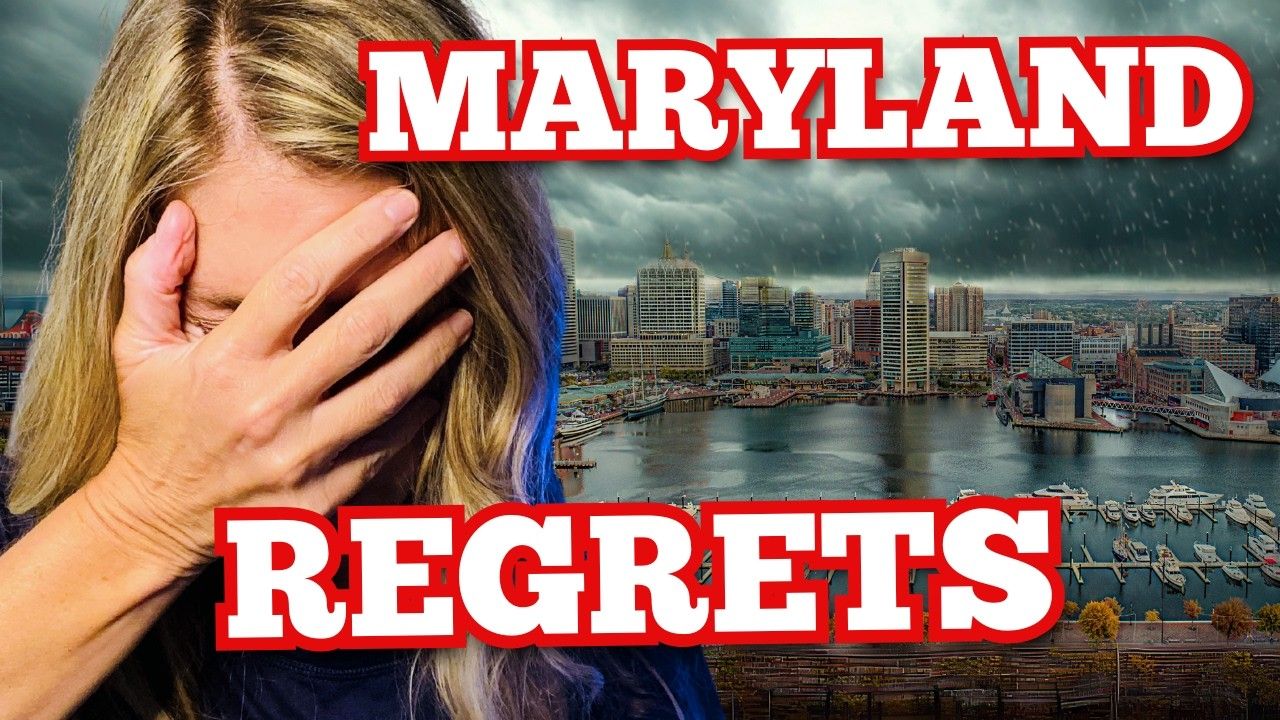
Moving to Maryland? How to Choose the Right Location for Your Lifestyle
The biggest mistake I see buyers make when moving to Maryland has nothing to do with the house itself. It's the location. I've watched buyers get the exact home they wanted, the right number of bedrooms, the perfect kitchen, everything on their checklist, and still feel like something wasn't right. Because on paper, a lot of areas here look great. The schools rank well, the houses photograph beautifully, the price seems reasonable compared to what you're leaving behind. But once you're actually living here, your day-to-day life can feel very different than what you expected.
After helping people relocate to the DMV for over 20 years, I've seen this pattern repeat itself. Buyers fall in love with a house and underestimate how much the location will impact everything else. The commute they thought they could handle. The drive to activities that adds up faster than they imagined. The older home that looked charming in photos but feels cramped after a few months. The school district that seemed perfect until the boundaries changed.
This isn't about calling out bad places to live. These are all good communities with real appeal. But they come with trade-offs that buyers don't fully understand until after they're living here. I'm going to walk you through the most common location mistakes I see in Montgomery County and Frederick County so you don't end up in the right house in the wrong place. We'll cover Clarksburg, Frederick County, Bethesda, Kensington, Chevy Chase, and Germantown, what each area offers, what it costs you, and what buyers wish they'd known before they moved in.
Table of Contents
- Clarksburg: More House, More Driving
- Frederick County: The Space-for-Commute Trade
- Bethesda: Premium Location, Older Housing Stock
- Kensington: Close-In Convenience at a Price
- Chevy Chase: Desirable Address, Dated Homes
- Germantown: When Distance Adds Up
- The School District Trap
- New Construction Reality Check
- Why Some Homes Sit on the Market
- Understanding Maryland's Micro-Markets
- How to Choose the Right Location for Your Life
Clarksburg: More House, More Driving
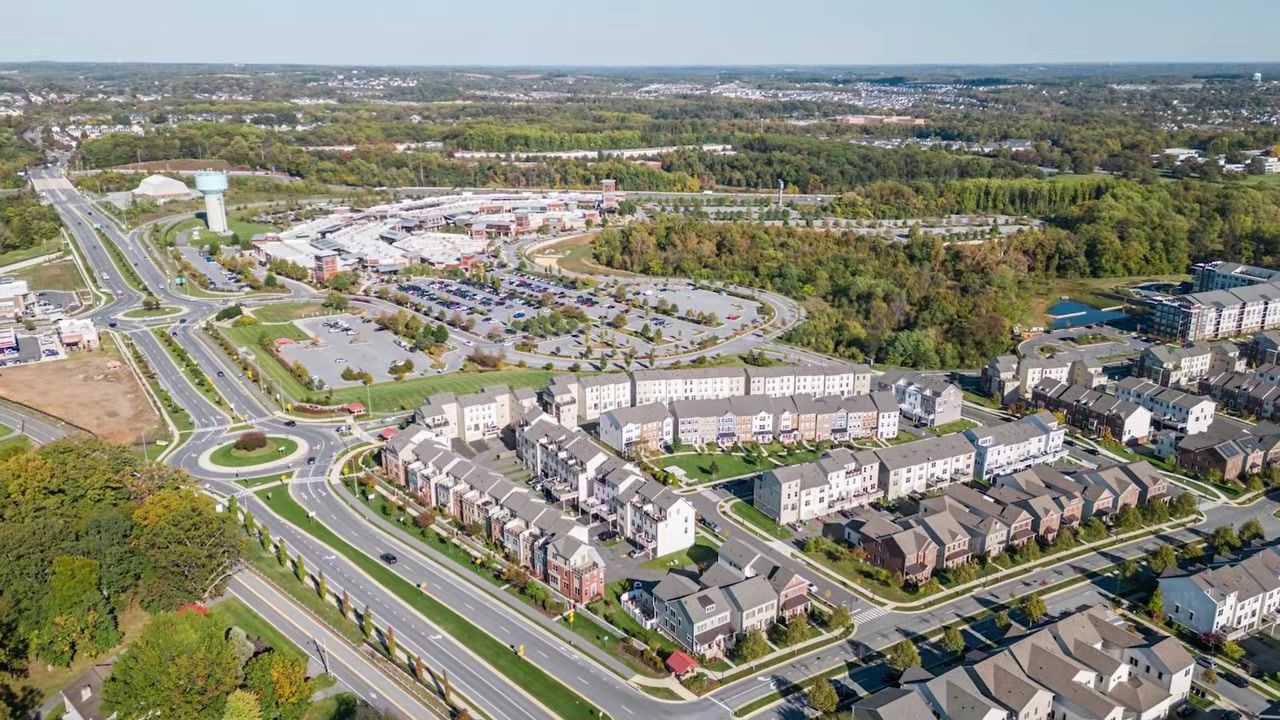
Clarksburg sits farther out in Montgomery County, and it's one of the first places buyers look when they want more house for their money. On paper, it makes perfect sense. You get a bigger house, newer construction, more space, and sometimes a better price than you'd find closer in. The houses are appealing, modern layouts, good-sized yards, that new-home feel. Initially, it feels like a win.
But what buyers don't always fully account for is what that location means for their daily life. That commute can easily become an hour or more depending on traffic. And it's not just about getting into DC for work. It's everything. Getting to activities takes longer. Going out to dinner means planning ahead. Even basic errands, grocery runs, picking up prescriptions, meeting friends, can take longer than you expected when you're living this far out.
I've had buyers tell me later, "We love the house, but we didn't realize just how much we would be driving." Your calendar fills up with soccer practice, swim team, piano lessons, weekend plans with friends who live closer in, and suddenly you're spending hours in the car every week. That's time you're not getting back. The house might be perfect, but if the location doesn't support how you actually live, that trade-off starts to wear on you.
The appeal of Clarksburg is real, you do get more house, and for buyers relocating from other parts of the country where space is more affordable, it can feel like the obvious choice. Just make sure you're accounting for the full cost, not just the purchase price. Think through your actual commute, not the best-case scenario. Map out where your kids' activities will be. Consider where your friends and family live. If most of your life is happening closer to DC, that distance is going to show up in your day-to-day routine more than you think.
Frederick County: The Space-for-Commute Trade
Frederick County offers a similar trade-off to Clarksburg, bigger house, newer construction, more space, sometimes a better price. You're moving even farther out from DC, which means you're getting more for your money in terms of square footage and lot size. The homes here can be really appealing, especially if you're coming from a market where you couldn't afford much space.
But the same reality applies: that commute can easily become an hour or more, and everything takes longer. You're not just farther from work. You're farther from the restaurants, the activities, the social life that happens closer in. If your job is in DC or even Bethesda, you're looking at a serious daily drive. And if your kids are involved in activities that happen in Montgomery County, you're adding even more time in the car.
Buyers often focus on the house itself and don't think through how the location will shape their daily rhythm. You might love the extra space, but if you're spending two hours a day commuting or constantly driving your kids to activities, that space comes at a cost. I've seen families move out here, enjoy the house for a while, and then start to feel the strain of the distance. It's not that Frederick County is a bad choice, it's a great choice for the right buyer. But you have to be honest with yourself about how much driving you're willing to do and how that will impact your quality of life.
If your work is flexible, if you're remote most of the time, if your social life and activities are more local to where you live, Frederick County can work really well. But if most of your life is happening closer to DC, that distance is going to add up quickly. Make sure you're choosing this location for the right reasons, not just because the house looks good on paper.
Bethesda: Premium Location, Older Housing Stock
Bethesda sits inside or just outside the Beltway, and it's one of the most desirable locations in the DMV. You're very close in, short commute to DC, walkable downtown, great restaurants, strong schools. The location is about as good as it gets if proximity matters to you. But the trade-off here, besides the price, is the housing itself.
You're often looking at older homes, 1950s, '60s, sometimes even earlier. Smaller lots, less storage, small closets, sometimes busy roads. The houses weren't built with the open floor plans and walk-in closets that buyers expect today. And buyers coming from other parts of the country, where their budget would get them a much newer, larger home, can be shocked by what they're looking at here. You think, "Wait, this is what my budget gets me in Bethesda?"
The price is high because the location is premium. You're paying for the convenience, the walkability, the commute, the prestige of the address. But the house itself might not feel like what you imagined at that price point. I've had buyers tour homes in Bethesda and feel disappointed because they were expecting something more modern, more spacious, more updated. And that's a fair reaction if you're not prepared for it.
The key is understanding what you're buying. If location is your top priority, if you want to be close to work, close to the Metro, close to everything, then Bethesda makes sense, and you adjust your expectations on the house. You might renovate over time. You might accept a smaller footprint because the trade-off is worth it. But if you're expecting a newer, larger home with all the modern features, you're going to be frustrated. Know what you're getting into, and make sure the location is worth the compromise on the housing stock.
Why Bethesda Homes Cost What They Do
The price in Bethesda isn't just about the house, it's about everything around it. You're minutes from downtown Bethesda with its restaurants and shops. You're close to the Red Line. Your commute to DC is manageable. You're in one of the most established, walkable, connected parts of Montgomery County. That's what you're paying for.
But it also means you're competing with buyers who have lived here for years and understand the value of that location. Inventory is tight, and when a good house comes on the market, it moves fast. If you're relocating here and you're not prepared for what the housing stock looks like at your price point, you can end up feeling priced out or disappointed. Talk to someone who knows the market before you start touring so you're not caught off guard.
Kensington: Close-In Convenience at a Price
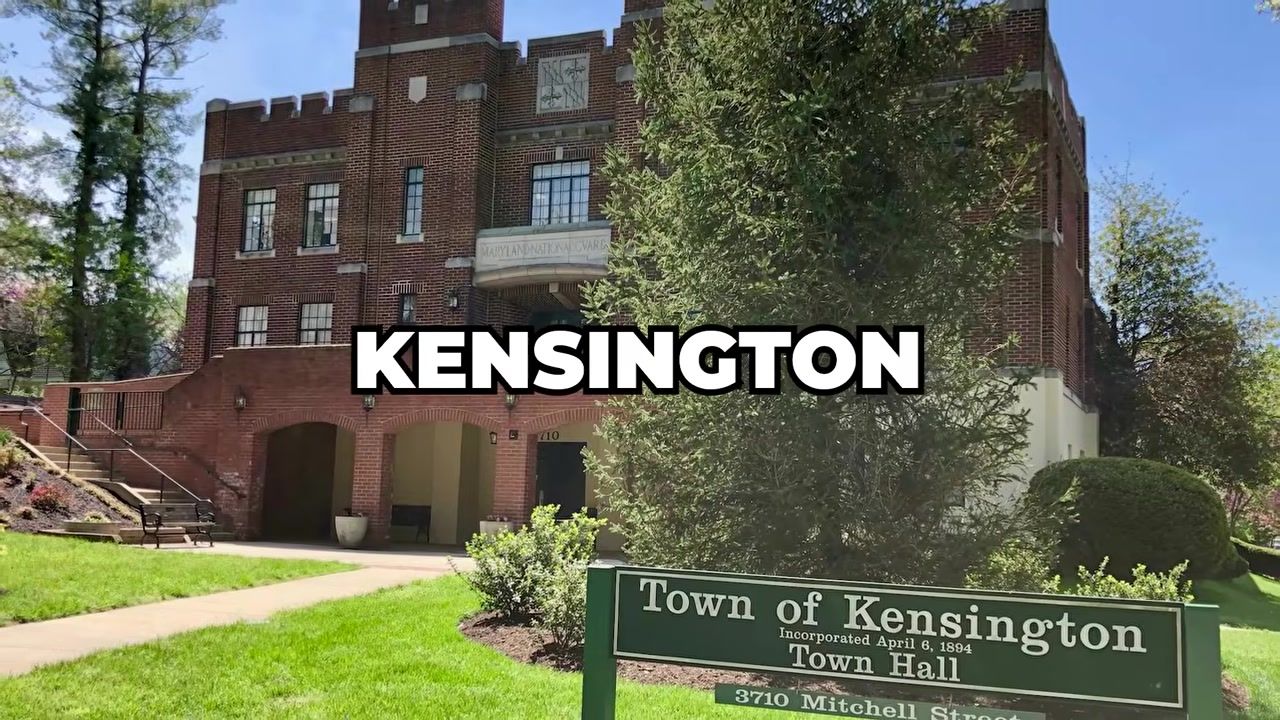
Kensington offers a similar trade-off to Bethesda, you're very close in, inside or just outside the Beltway, and it's one of the most desirable locations in the area. The convenience is real. You're close to DC, close to activities, close to everything that makes this area appealing. But like Bethesda, the price is high, and the housing stock is older.
You're looking at homes from the 1950s, '60s, or earlier. Smaller lots, less storage, small closets, sometimes busy roads. The houses weren't designed with the features buyers expect today, and if you're coming from another part of the country, the size and age of the homes can be a surprise. You're paying a premium for the location, not for a modern, spacious house.
I've had buyers fall in love with the idea of Kensington, the walkable downtown, the charm, the convenience, and then tour homes and feel let down. They expected more house for the price. And that's understandable if you're not prepared for what the market looks like here. The value is in the location, not in the square footage or the finishes.
If you prioritize being close in, if you want a short commute and easy access to everything, Kensington can be a great fit. But you have to accept that the housing stock is older and smaller, and you're going to pay a premium for it. If you need more space, more storage, a more modern layout, you might need to look farther out or adjust your budget. Just make sure you're clear on what you're getting and what you're giving up.
Chevy Chase: Desirable Address, Dated Homes
Chevy Chase is another premium location, very close in, inside or just outside the Beltway, one of the most desirable addresses in the DMV. The location is hard to beat if proximity and prestige matter to you. But the same trade-offs apply: high price, older homes from the 1950s, '60s, or earlier, smaller lots, less storage, small closets, sometimes busy roads.
The houses here weren't built with the open floor plans and modern amenities that buyers expect today. You're often looking at homes that need updates, and even after renovations, the footprint is still smaller than what you'd get farther out. Buyers coming from other markets can be shocked by what their budget gets them in Chevy Chase. You're paying for the address, the location, the convenience, not for a brand-new, spacious home.
I've had buyers tour homes in Chevy Chase and feel frustrated because they were expecting something more impressive at that price point. And I get it. If you're used to a market where your budget buys you a much larger, newer home, it can feel like a compromise. But that's the trade-off. You're buying location, not square footage.
If being close in is your top priority, if you want a short commute and easy access to DC, if you value the prestige of the address, then Chevy Chase makes sense. But you have to accept that the housing stock is older and smaller, and you're going to pay a premium for it. If you need more space or a more modern home, you'll need to look farther out or increase your budget significantly. Just make sure you're choosing this location for the right reasons and you're prepared for what the housing market looks like here.
Germantown: When Distance Adds Up
Germantown is farther out in Montgomery County, and it offers more space and often a better price than you'd find closer in. The homes here can be appealing, especially if you're looking for newer construction or a larger lot. But the distance can start to add up in ways buyers don't always anticipate.
I had one family move to an area where they were constantly commuting to the soccerplex in Germantown, and it took them 45 minutes each way. They also had family who lived closer in, and that commute took them about 30 minutes each way. After a while, they started to get super frustrated. They felt like they were spending too much time in their car and not truly enjoying where they lived. It wasn't that the house was wrong, it was that the location didn't support their actual lifestyle.
After a few years of this, they ended up selling that house and moving a little bit farther north. They still ended up in a great school district, and they cut their two most common commutes down by about half. They were so much happier. The lesson here isn't that Germantown is a bad choice, it's that you have to think through where your life is actually happening. If your kids' activities are in Germantown, if your work is nearby, if your social life is more local, it can work really well. But if you're far from work, friends, family, and activities, it can start to feel isolating.
Distance isn't just about the commute to work. It's about everything. Where do your kids play sports? Where does your family live? Where do you meet friends for dinner? If most of those things are happening closer in, that distance is going to show up in your day-to-day life more than you think. Make sure you're accounting for all of it, not just the drive to the office.
The School District Trap
Here's one I see all the time: buyers choosing a location based almost entirely on school rankings. And schools absolutely matter, I'm not saying they don't. But what can happen is that buyers focus so much on that one factor that they don't think through their day-to-day lifestyle. They end up in a great school district but not loving where they actually live.
If you're far from everything else that matters to you, work, friends, family, activities, it can start to feel really isolating. You might have local schools, but if you're spending an hour in the car every time you want to do something, or if your social life is happening somewhere else, that trade-off can wear on you. I've seen families move to a top-ranked school district and then realize they don't feel connected to the community, or they're constantly driving, or they just don't enjoy living there as much as they thought they would.
The other thing to keep in mind is that school boundaries can change. We're experiencing this right now in Montgomery County, and a lot of parents are not happy. They bought in a specific school district only to find out that their kids will most likely be going to a different school altogether due to these boundary changes. That's frustrating, especially if the school was a major factor in your decision.
I'm not saying don't consider schools, of course you should. But don't let it be the only factor. Think about your whole life. Where will you be commuting? Where are your activities? Where do you want to spend your weekends? If the school district is great but everything else feels like a compromise, you might end up regretting it. Balance matters.
New Construction Reality Check
New construction communities are very appealing. Everything is new, clean, modern. The houses photograph beautifully, and the layouts are designed for how people live today. It all looks amazing. But many of these communities are built in areas that are still developing, so you might not have the restaurants, the grocery stores, or infrastructure fully built out yet.
Buyers move in and realize they are driving 15 or 20 minutes for everything. You want to grab dinner, pick up groceries, meet a friend for coffee, it all requires a drive. And that can get frustrating really quickly. Add to that the construction noise and constant truck traffic, and it can get old really fast. The neighborhood is still being built, so you're living in an active construction zone for a while.
I had a buyer who chose a newer community because the house was incredible for that price. But after living there for a while, they told me, "We didn't realize just how disconnected we would feel." They loved the house, but the location didn't support their lifestyle the way they thought it would. And that's just not something you can see when you're just looking at the house.
If you're considering new construction, make sure you're thinking about what's around it right now, not what's promised for the future. Drive the area at different times of day. See how long it takes to get to the places you'll actually go. Ask about the construction timeline for the rest of the community. New construction can be a great choice, but only if the location works for you today, not just in theory.
Why Some Homes Sit on the Market
Another thing that comes up a lot is buyers trying to get a deal. They see a home that's been sitting or priced lower than the others, and they think they found an opportunity. But in this market, there is usually a reason. It could be the location, the layout, the condition, or something less obvious, like backing to a commercial area, being near a cut-through street with more traffic than you'd expect, or being in a less desirable pocket of that neighborhood.
If you don't fully understand that trade-off, you could end up regretting it later. Maybe the house is priced lower because it's on a busy road, or because the floor plan is awkward, or because it's in a part of the neighborhood that doesn't hold value as well. Those things matter, and they'll matter when you go to sell, too.
I'm not saying don't look at homes that have been sitting, sometimes there's a legitimate opportunity. But make sure you understand why it's sitting. Ask your agent. Look at the comparable sales. Drive the street at different times of day. If it's priced lower, there's a reason, and you need to know what that reason is before you make an offer.
Understanding Maryland's Micro-Markets
Here's where it gets a little tricky in Maryland: it's extremely micro-market driven. You can have a home getting multiple offers on one street and going well over asking, and another one just a few streets away that's just sitting there. And buyers who don't understand this sometimes misread our market completely.
It's not just about the city or the zip code. It's about the specific street, the specific pocket of the neighborhood, the specific school boundary. Two homes that look similar on paper can perform very differently in the market because of these micro-factors. One might be in a more walkable part of the neighborhood. One might back to a park instead of a busy road. One might be in a school boundary that's more desirable. Those details matter here more than they do in a lot of other markets.
If you're relocating to Maryland and you're not familiar with these nuances, it's easy to make a mistake. You see a house that looks like a good deal, but you don't realize it's in a less desirable pocket. Or you pass on a house that seems overpriced, but it's actually in a premium location that holds value really well. This is where working with someone who knows the market really matters. You need someone who can explain why one street is different from another, why one home is getting multiple offers and another is sitting.

How to Choose the Right Location for Your Life
The goal isn't to avoid certain areas, it's to understand the trade-offs of each one, because every area in Maryland has them. If you understand these up front, you're going to make a much better decision. Start by thinking about your actual day-to-day life, not just what looks good on paper.
Where will you be commuting? How much time are you willing to spend in the car? Where are your kids' activities? Where does your family live? Where do you want to spend your weekends? If you're prioritizing space and price, you might be willing to live farther out. If you're prioritizing convenience and commute, you might be willing to accept an older, smaller home closer in. There's no right answer, it's about what works for your life.
Think through the full picture. Don't just focus on the house or the school district. Think about the location and how it will shape your daily routine. Talk to someone who knows the market and can walk you through the trade-offs of each area. And be honest with yourself about what you're willing to compromise on and what you're not.
If you're thinking about buying or selling in Montgomery County, Maryland, or anywhere in the DMV, please feel free to reach out. After helping people move here for over 20 years, I'd love to help make your move easier. Call me at 301-802-4182 or book a FREE consultation. I'll walk you through the different areas, help you understand the trade-offs, and make sure you're choosing a location that actually fits your life. And don't forget to download my free Maryland relocation guide, just scan the QR code. It's got a lot of good information in there, and it's free.
FAQ
How long is the commute from Clarksburg to DC?
The commute from Clarksburg to DC can easily become an hour or more depending on traffic. It's not just the distance, it's the traffic patterns, the time of day, and whether you're driving or taking public transit. Make sure you're accounting for the realistic commute, not the best-case scenario, because that drive is going to be part of your daily life.
Are older homes in Bethesda worth the price?
It depends on what you're prioritizing. You're paying for the location, the convenience, the walkability, the short commute, the prestige of the address. The housing stock is older, and you're not getting the same square footage or modern features you'd find farther out. But if location is your top priority, Bethesda can absolutely be worth it. Just make sure you're prepared for what the housing market looks like at your price point.
Do school boundaries really change that often in Montgomery County?
Yes, school boundaries can and do change. Montgomery County is currently experiencing boundary changes, and a lot of parents are frustrated because they bought in a specific school district only to find out their kids will be going to a different school. It's something to keep in mind when you're making your decision, don't assume the current boundaries will stay the same.
What should I know before buying in a new construction community?
Make sure you're thinking about what's around the community right now, not just what's promised for the future. Many new construction communities are in areas that are still developing, so you might not have restaurants, grocery stores, or full infrastructure yet. You'll also be dealing with construction noise and truck traffic while the neighborhood is being built. Drive the area at different times of day and make sure the location works for you today.
Why do some homes sit on the market longer than others?
There's usually a reason. It could be the location, the layout, the condition, or something less obvious like backing to a commercial area or being on a cut-through street. Maryland is extremely micro-market driven, so two homes that look similar on paper can perform very differently. If a home is sitting or priced lower, make sure you understand why before you make an offer.
How do I know which Maryland location is right for me?
Think about your actual day-to-day life. Where will you be commuting? Where are your kids' activities? Where does your family live? Where do you want to spend your weekends? Every area in Maryland has trade-offs, more space but longer commute, premium location but older housing stock, local schools but farther from everything else. The key is understanding those trade-offs up front and choosing the location that fits your priorities and your lifestyle.
Recent Posts