If you are considering living in Bethesda MD, do not make the mistake of assuming Bethesda is one place with one lifestyle and one price point. It is not. Bethesda is a collection of very different micro markets, each with its own housing style, commute pattern, school considerations, level of walkability, and overall feel.
That distinction matters. Choosing the right Bethesda neighborhood can affect not only your day-to-day lifestyle, but also what you pay, how long you stay, and how your home performs when it is time to sell. Bethesda is expensive, yes, but there is a reason people keep competing to buy here. The location, access to Washington, DC, schools, established neighborhoods, and long-term demand are hard to duplicate.
This is the real version of living in Bethesda MD, including the good, the challenges, and the details that make one part of Bethesda a completely different decision from another.
Key Takeaways
- Bethesda is made up of distinct micro markets, from urban Downtown Bethesda to spacious Carderock and Burning Tree.
- As of 2025, many single-family homes range from about $1.5 million to $3 million or more, with higher prices in premium areas.
- School assignments are important to demand, but buyers should verify exact boundaries and potential changes.
- Location, Metro access, amenities, and proximity to DC help support Bethesda's long-term resale demand.
Table of Contents
- Living in Bethesda MD: What to Know
- Bethesda MD Neighborhoods
- Bethesda MD Home Prices
- Bethesda MD Schools
- Living in Bethesda MD: Lifestyle & Commute
- Pros and Cons of Living in Bethesda MD
- Who Is Bethesda MD Best For?
Living in Bethesda MD: What to Know
Bethesda sits immediately northwest of Washington, DC. In certain spots, the DC border is literally right across the street. That proximity is the foundation of Bethesda's appeal and the reason its real estate often behaves differently from much of Montgomery County.
For people working in DC, downtown Bethesda, the National Institutes of Health, or Walter Reed, living in Bethesda MD offers a practical middle ground. You can stay connected to the city without necessarily living in the middle of it. You get suburban streets, parks, established homes, and a community feel, while retaining access to major employment centers.
The area also offers Red Line Metro access, nearby MARC train service, access to I-495, I-270, River Road, and a relatively direct route into Washington. There are not many suburbs where the commute itself is a major selling point, but Bethesda is one of them.
That irreplaceable combination of location, transportation, schools, and mature neighborhoods supports demand. When the market slows, Bethesda may pause or correct, but it has historically stabilized faster than many surrounding areas. There is simply consistent demand for homes close to DC with these kinds of amenities.

Bethesda MD Neighborhoods
The phrase “Bethesda home” tells you very little by itself. Before moving to Bethesda MD, it is important to decide what matters most: walkability, space, privacy, character, proximity to Metro, school assignment, or a more traditional suburban setting.
Downtown Bethesda For Walkability And Convenience
Downtown Bethesda is the most urban part of the area. This is where you find condos, apartments, restaurants, bars, movie theaters, fitness studios, shops, and Metro access concentrated in one place.
This part of Bethesda is especially attractive for people who do not want to drive every time they go out to dinner, want a lock-and-leave lifestyle, or prioritize an easier commute into DC, NIH, or downtown Bethesda. It often appeals to young professionals, downsizers, empty nesters, and those relocating from DC or New York City apartment living.
The tradeoff is that the price per square foot can be high. But for buyers who value convenience over a large yard, Downtown Bethesda can be difficult to beat.
Edgemoor For Prestige And Long-Term Value
Edgemoor is one of the most prestigious Bethesda MD neighborhoods and one of the most sought-after areas in Montgomery County. Think tree-lined streets, larger lots, custom homes, and the rare ability to be near Metro while living in a classic residential neighborhood.
Homes here regularly trade above $2 million, and even teardown lots come at a premium. Edgemoor is legacy real estate. Many households buy here and hold onto their homes for decades, sometimes across generations. Inventory tends to be tight because people rarely leave.
For buyers considering living in Bethesda MD for the long haul, Edgemoor offers prestige, walkability, stability, and enduring resale appeal. It is not about being flashy. It is about a very specific blend of location and permanence.
Woodmont And Battery Park For Classic Bethesda Charm
Woodmont and Battery Park have that traditional Bethesda character people often picture when they begin moving to Bethesda MD. There are Colonials, Tudors, mature trees, sidewalks, deeper lots, and a strong sense of connection among neighbors.
These are the kinds of Bethesda MD neighborhoods where it is normal to see people walking dogs, children biking, and neighbors talking outside. The charm is difficult to recreate with brand-new construction because it comes from the streetscape, the established trees, and the fact that many residents have been there for years.
Woodmont and Battery Park are a good fit for buyers seeking character and community without the intensity of living in the center of Downtown Bethesda. They also tend to have strong resale value because demand for this classic setting remains consistent.
Glen Echo Heights, Sumner, And Kenwood For Quiet Luxury
Glen Echo Heights, Sumner, and Kenwood are some of the most beautiful and established places for living in Bethesda MD. These neighborhoods sit closer to DC and are known for larger homes, impressive lots, and significant long-term wealth.
Kenwood in particular is unforgettable during cherry blossom season. The neighborhood streets become a canopy of flowering trees, which is part of why it has such a distinct identity.
These areas are especially popular with executives, doctors, attorneys, and professionals with deep ties to the DC region. The overall feeling is quiet wealth rather than showy wealth. Buyers here typically value privacy, beauty, location, and a long-term home base.
West Bethesda, Burning Tree, And Carderock For More Space
West Bethesda, Burning Tree, and Carderock feel more suburban. There is often more space, more privacy, and potentially more home for the money compared with the most walkable areas closer to downtown. The tradeoff is that you may drive more often for restaurants, shopping, and errands.
These Bethesda MD neighborhoods are a strong match for people who want quiet streets and room to spread out, do not need to walk to restaurants, and are comfortable driving. This is also where many families choose homes with the intention of staying for 10 years or more.
Bethesda MD Home Prices
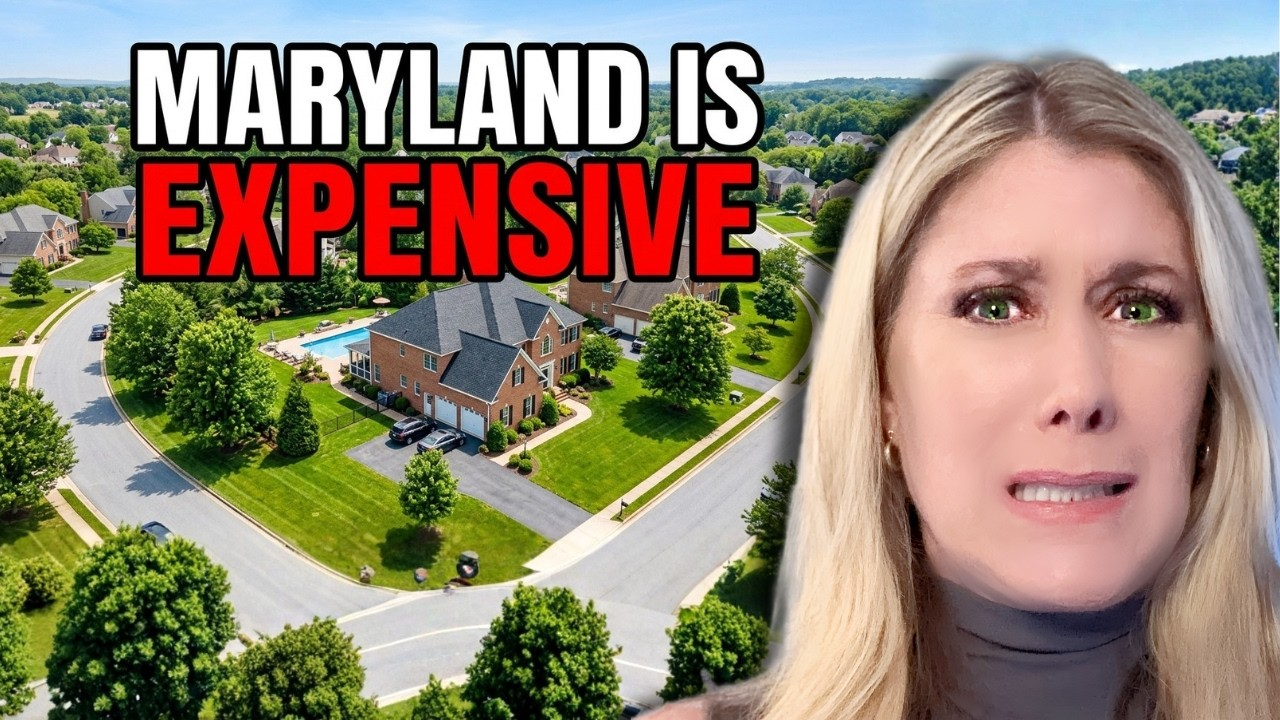
There is no sugarcoating it: living in Bethesda MD is expensive. As of 2025, the median home price is well above $1 million. In many neighborhoods, single-family homes commonly range from about $1.5 million to $3 million or more. In Edgemoor and Kenwood, prices can climb considerably higher.
Condos and townhomes are available, particularly around Downtown Bethesda, but well-priced properties can move very quickly and may receive multiple offers. Buyers need to understand what is driving the price:
- Proximity to Washington, DC and major employers
- Access to Metro, highways, and commuter routes
- Established neighborhoods with limited inventory
- Strong school demand
- Long-term appreciation potential and resale demand
- Consistent competition from well-qualified buyers
Bethesda is not a bargain market. It is a long-term investment market. The people who tend to feel best about buying here are the people who have a realistic plan to stay and who choose a neighborhood that genuinely fits their lifestyle.

Bethesda MD Schools
Schools are a major driver behind demand for living in Bethesda MD. Bethesda is associated with some of the strongest public schools in Maryland, and buyers frequently ask about school assignments before they ask about almost anything else.
Names that often come up include Walt Whitman High School, Bethesda Chevy Chase High School, and Winston Churchill High School, depending on the neighborhood and assigned boundary.
However, this is a detail that needs real attention. Montgomery County is in the middle of a significant school boundary study, and assignments may shift over time. Do not rely on an old internet search result or assume that a neighborhood name automatically guarantees a specific school.
If school assignment is central to your home purchase, do three things before making a decision:
- Verify the current school boundary for the exact property.
- Understand whether proposed changes could affect that assignment.
- Consider how school assignment may influence future resale value.
For many buyers, schools are a major reason for moving to Bethesda MD. They are also a reason to be precise. A street-level understanding matters far more than a broad ZIP code label.
Living in Bethesda MD: Lifestyle & Commute
The lifestyle is one of the best parts of living in Bethesda MD. Bethesda feels active without feeling chaotic and upscale without trying too hard. It is a place where people tend to build a life, not just pass through for a few years.
You have excellent restaurants, boutique shopping, major retailers, farmers markets, parks and trails, libraries, and an educated, engaged population. Downtown offers a more energetic environment, while the residential neighborhoods offer quieter streets and a more traditional community rhythm.
Commuting is another practical advantage. Red Line stations at Bethesda and Medical Center connect residents with DC. The MARC train is nearby, and roads including I-495, I-270, and River Road make regional travel more manageable.
For NIH employees, people working near Walter Reed, and professionals with offices in DC or downtown Bethesda, living in Bethesda MD can cut down on the friction of a daily commute while still providing access to suburban amenities.
Pros and Cons of Living in Bethesda MD
Bethesda earns its reputation, but it is important to be clear-eyed about both sides of the decision.
The Biggest Advantages
- Prime location immediately outside Washington, DC
- Access to Metro, MARC, major roads, NIH, Walter Reed, and downtown offices
- Highly regarded public schools
- Walkable districts alongside quiet residential neighborhoods
- Strong home values and steady resale demand
- Restaurants, shopping, parks, trails, libraries, and community amenities
- Established neighborhoods with distinct personalities
The Real Challenges
- High purchase prices and high buyer competition
- Tight inventory, especially for desirable homes
- Older homes that may require updating or renovation
- Costly renovations and permitting requirements
- Traffic that can be frustrating
- Higher-than-average property taxes
- School boundaries that may change over time
The key is not to fall in love with the name Bethesda before understanding the actual property, the street, the school assignment, and the neighborhood fit. Details are everything here.
Who Is Bethesda MD Best For?
Living in Bethesda MD may be a great choice if you want proximity to DC without living in DC itself. It works especially well for buyers who value schools, neighborhood stability, walkability, amenities, community, and strong resale potential.
You may be an especially good fit if you:
- Plan to stay in the home for the long term
- Want convenient access to DC, NIH, Walter Reed, or downtown Bethesda
- Value a mix of suburban living and urban convenience
- Care about established neighborhoods and long-term demand
- Want a community-oriented place to raise a family or settle down
On the other hand, Bethesda may not be the best match if your highest priority is a lower home price, acreage, less buyer competition, or brand-new construction without renovation concerns. In those cases, Rockville, North Potomac, or Howard County may offer a better fit depending on your needs.
The best decision when moving to Bethesda MD is not simply choosing the right ZIP code. It is choosing the right neighborhood for the way you actually want to live. Get that part right, and Bethesda can be one of the strongest places in the region to build a life and long-term wealth.

FAQs About Living In Bethesda MD
Is Bethesda MD a good place to live?
Bethesda can be an excellent fit for people who value proximity to Washington, DC, strong schools, established neighborhoods, walkability, amenities, and long-term home value. It is especially appealing for buyers planning to stay for several years.
How expensive is living in Bethesda MD?
Bethesda is a high-cost market. As of 2025, the median home price is well above $1 million, while many single-family homes range from roughly $1.5 million to $3 million or more. Premium neighborhoods such as Edgemoor and Kenwood can command substantially higher prices.
What are the best Bethesda MD neighborhoods for walkability?
Downtown Bethesda is the most urban and walkable area, with restaurants, shops, fitness studios, entertainment, condos, apartments, and Metro access. Edgemoor also offers the unusual combination of a prestigious residential setting with access to Metro and downtown amenities.
Should I verify school boundaries before buying in Bethesda?
Yes. School assignment can affect both daily life and resale value. Montgomery County is conducting a school boundary study, so buyers should verify the current assignment for an exact property, understand possible changes, and avoid relying on outdated information.
Thinking about buying a home in Bethesda, MD? I can help you compare neighborhoods, understand current home prices, evaluate school boundaries, and find a property that fits your lifestyle and long-term goals. Call me at 301-802-4182 or book your FREE consultation call to get started.
READ MORE Moving to Potomac MD? What It's Really Like to Live Here