Is It a Buyer’s Market? DMV Housing Trends for 2026
Something strange is happening right now. Sellers are cutting prices, inventory is climbing, and buyers finally have negotiating power again. But at the exact same time, mortgage rates are back above 7%, and buyers are pulling back. So is this finally a buyer's market, or is the housing market actually getting worse?
New reports from Fortune, Yahoo Finance, and Axios came out this week looking at different pieces of the market. When you put them all together, the picture gets really interesting. I'm going to walk you through what's happening nationally, then bring it down to the DMV, and then specifically Montgomery County, Maryland, because what's happening here is very different than all the national headlines.
The biggest shift? Buyers have considerably more leverage than they did a year ago. According to Redfin, in August there were almost 58% more home sellers than buyers in the United States. That is the largest gap Redfin has recorded since it started tracking this data back in 2013. During the four weeks ending September 20th, 21.1% of active sellers reduced their asking price, the highest percentage for this time of year since Redfin began tracking price reductions in 2022. Roughly one out of every five sellers has cut their price.
But here's where this gets interesting. Prices nationally aren't collapsing. According to the National Association of Realtors, the median price for an existing home in August was $429,100, which was actually 1.6% higher than a year ago. Inventory reached 1.62 million homes, up almost 6% from last year, and there are 4.9 months of supply, the highest level in more than 10 years. Buyers have more inventory, more negotiating power, and more sellers competing for their attention. But nationally, we still have home prices higher than last year.
That's why I think we have to be really careful with the phrase "buyer's market." Even Lisa Sturtevant, the chief economist at BrightMLS (our local Multiple Listing Service), pushed back on that label in the Fortune article. She said inventory is still very tight and prices remain near record highs in many local markets. That's especially important for us here in the Mid-Atlantic region because this is not Dallas, Austin, Denver, or some of those Sunbelt cities where inventory has increased dramatically.
Table of Contents
- National Housing Trends: More Sellers, Higher Rates, and the Crash Question
- DMV (DC Metro Area): Activity Slowdown and Buyer Behavior
- Northern Virginia: More Inventory, Stable Prices
- Maryland: A Very Different Inventory Picture
- Montgomery County: Balanced, Selective, and House-Specific
- Comparing the DMV to National Housing Trends
- Conclusion
National Housing Trends: More Sellers, Higher Rates, and the Crash Question
There's no question buyers who are in the market right now have more negotiating power. Redfin says sellers provided some kind of concession to 44.7% of home sales in August, the highest August share in Redfin's data going back to about 2020. That can mean closing cost assistance, repairs, mortgage rate buydowns, or any type of incentive. Almost 16% of buyers received both a concession and bought a house that had already had its price reduced.
But, and this is a very big but, there are fewer buyers out there because fewer people can afford to buy. Freddie Mac reported that the average 30-year fixed mortgage rate reached 7.28% on October 1st. A year earlier, it was 6.34%. That is a huge difference in purchasing power. Think about what that means for a second. A buyer could potentially negotiate $20,000 to $30,000 off the price, but the higher mortgage rate could erase those savings or more over time. That's really the paradox of this housing market. Buyers have negotiating leverage, but affordability remains extremely difficult.
Which brings us to that Yahoo Finance article, which asks the question I am asked constantly: does all this mean we're heading for another housing market crash? The answer from most economists right now is no. Yahoo Finance quotes housing market analyst Rick Sharga saying while a national housing crash remains very unlikely, every market is unique. I think that second part is incredibly important.
Why This Isn't 2008
This isn't 2008. We do have more inventory than we did a few years ago, but nationally, NAR reports 4.9 months of existing home inventory. That's definitely a healthier level for buyers, but it doesn't look anything like the combination of oversupply, distressed home sales, and risky lending that helped create the housing crisis of 2008. Homeowners also have substantially more equity in their homes today, and underwriting standards are very different.
So when someone tells you there are more homes for sale, therefore housing prices are about to crash, those two things just don't automatically follow each other. A much more realistic scenario right now is a housing market where sales slow, homes take longer to sell, price growth slows dramatically, some individual housing markets experience price declines, buyers negotiate more aggressively, and sellers who overprice their homes get punished.
DMV (DC Metro Area): Activity Slowdown and Buyer Behavior
Now let's bring this home to the DMV, because this is where things get especially interesting. Axios reported that showings across the DC Metro were down almost 18% during the week ending September 27th compared with the same week a year ago. New purchase contracts were down about 20%. Cancelled listings jumped 42%, and active listings across the DC Metro were up around 20% from a year ago. That is a pretty significant shift in buyer behavior.
BrightMLS Chief Economist Lisa Sturtevant told Axios that these higher mortgage rates will have a chilling effect on the DC area housing market. I think we're already seeing it. The important distinction, and this is if you get anything out of this blog, this is what I really think, is that this is currently much more of an activity slowdown than a price collapse.
Here in the DMV, we still have relatively constrained housing supply compared with many parts of the country. We're not experiencing the dramatic inventory increases you see in Dallas, Austin, Denver, or some of those Sunbelt cities. That matters when you're trying to understand whether relocating to Bethesda or moving to Potomac means you're walking into a buyer's paradise or just a slightly less frenzied market than two years ago.
There is still a lot of pent-up demand sitting on the sidelines. If rates come down materially, that could change the market surprisingly quickly. But right now, with mortgage rates above 7%, buyer demand remains constrained, especially as we head deeper into the fall and winter markets. That could mean more price reductions, longer days on the market, and more negotiating opportunities.
Northern Virginia: More Inventory, Stable Prices
Northern Virginia illustrates this perfectly. According to the Northern Virginia Association of Realtors, active listings in August were up almost 20% from last year. Pending sales were down 7.2%, but the median home sale price was still $750,000, only 1.3% below last year.
So there are considerably more houses for buyers to choose from and fewer transactions happening, but prices haven't suddenly fallen off a cliff. That's the pattern I'm seeing across much of the DMV. More inventory, slower sales, but not the kind of price collapse that would signal a housing market crash.
For buyers looking at Northern Virginia real estate, this means you have more time to look, more ability to negotiate, and more sellers who are willing to listen. But you're not walking into a market where every seller is desperate and every house is 15% below last year's comps. It's a more balanced market, not a fire sale.
Maryland: A Very Different Inventory Picture
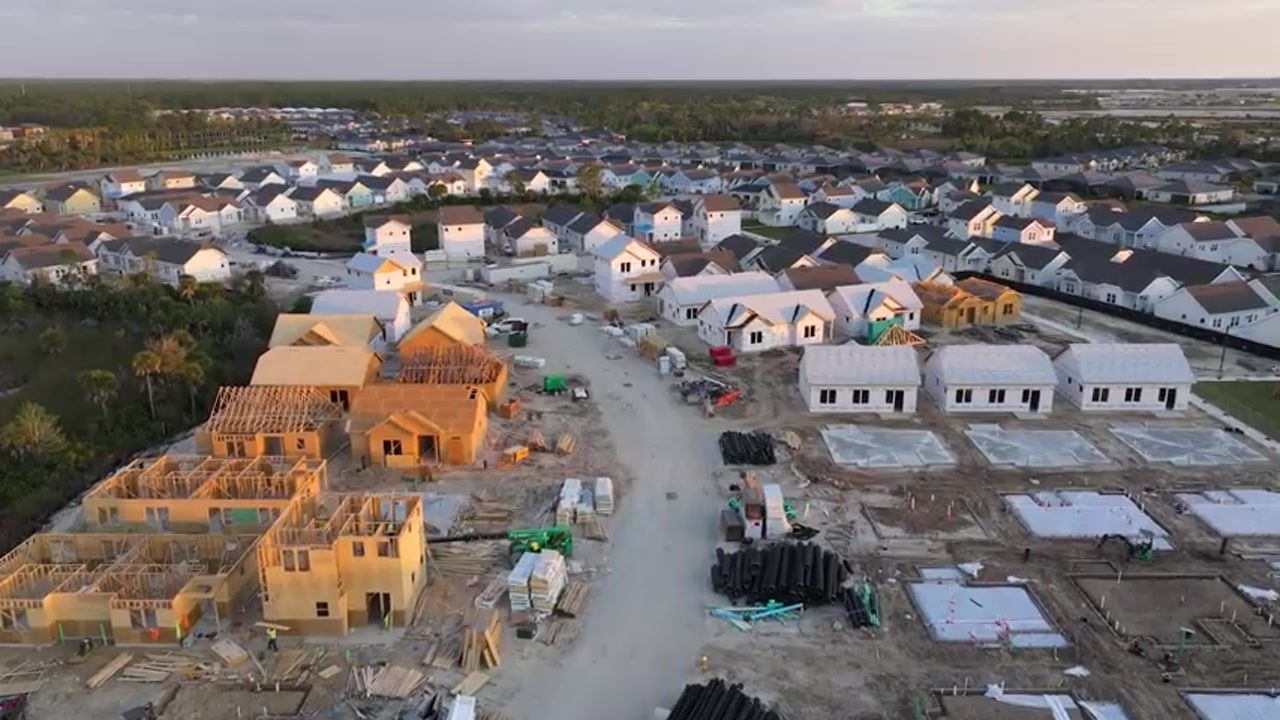
Maryland is even more interesting because our inventory picture is very different from the country overall. Maryland Realtors reported 5,582 home sales in August, down 8.5% from a year ago. But the statewide median sales price was $445,000, up 2.3%.
And while national inventory increased, Maryland had only about 3 months of inventory in August. Active inventory was actually 13.7% lower than a year earlier, and the number of new listings fell almost 24%. So again, this is why you can't take a national headline saying there are too many sellers and not enough buyers and assume it describes Maryland, because it doesn't.
That 3 months of inventory is considerably tighter than the national 4.9 months of supply. Maryland's housing market is not flooded with listings. We're not seeing the kind of inventory surge that would put heavy downward pressure on prices. Sales are down, yes, but that's more about affordability and mortgage rates than it is about a sudden oversupply of homes.
If you're buying a home in Maryland or thinking about selling, understanding your local market is more important than following national headlines. The Maryland housing market update looks very different from what you're reading about Texas or Florida.
Montgomery County: Balanced, Selective, and House-Specific
Now let's get even more local and talk about Montgomery County. According to Redfin's latest Montgomery County data covering the three months ending in August, the median sale price was around $637,000, approximately 3% higher than a year earlier. The number of homes sold, however, was down about 7.4%. Homes were taking around 41 days to sell, and approximately 19.5% of listings had experienced a price reduction.
Realtor.com's September numbers tell a similar story from a slightly different dataset. Realtor.com reports a Montgomery County median sold price of approximately $641,470, up around 2.6% from a year ago. Active listings were up around 13%, and median days on market had increased to 43 days.
So what does this all tell us? Montgomery County buyers definitely have a lot more breathing room than they did during the frenzy markets, but I would not describe Montgomery County's housing market as some giant buyer's market where buyers can walk into every property and just think they're going to get 10% off the listing price. That's just not what I'm seeing.
Why Some Homes Sell Fast While Others Sit
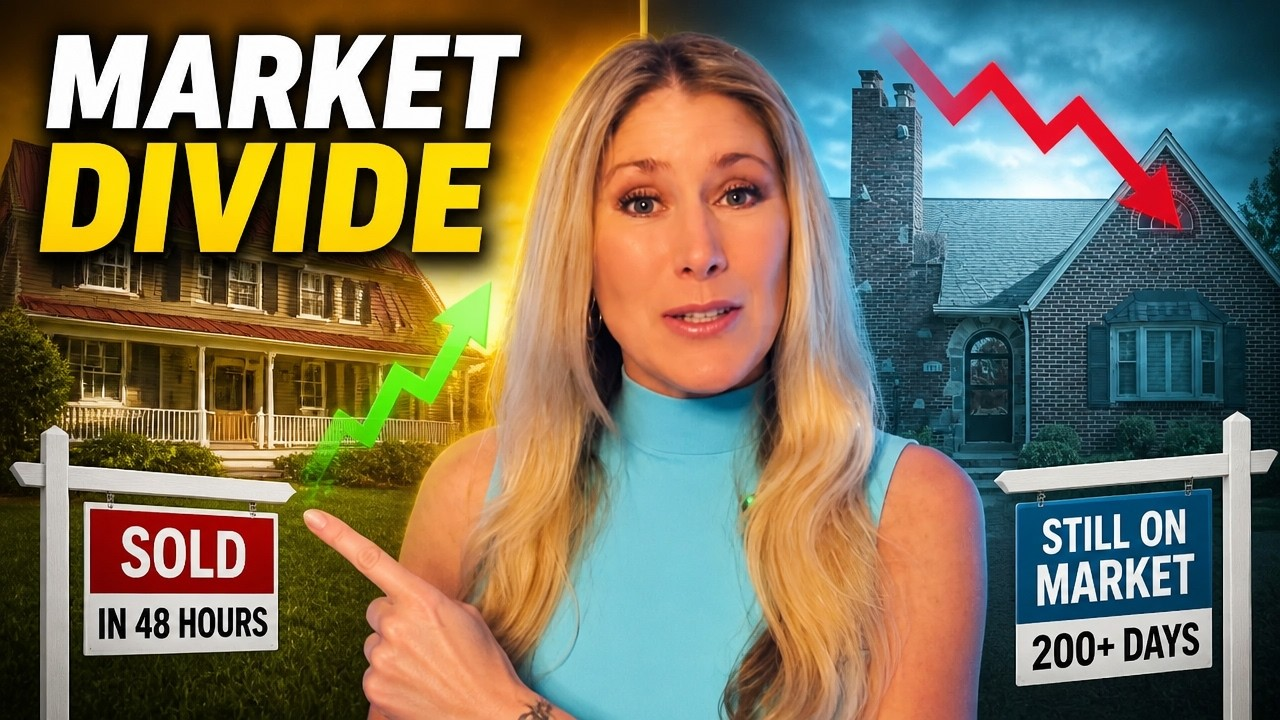
The market is extremely house-specific. A house that is beautifully presented, properly priced, and located in a highly desirable part of Bethesda , Potomac , Rockville , Kensington , or any strong neighborhood can still sell quickly and get multiple offers.
But take that same neighborhood and put a house on the market that needs updating, has an awkward floor plan, or is priced $75,000 above where it should be, and buyers are much less forgiving than they were a few years ago. They're waiting, they are negotiating, they're asking for inspections, they're asking for repairs, for credits. And sometimes they're simply walking away and choosing another property.
That is the biggest change I'm seeing. The buyer has regained the ability to just say no, and sellers really need to understand that. Pricing a house based on what your neighbor received during one of the hotter markets, or pricing at highs because buyers can always make an offer, can be a very expensive strategy right now. The longer a property sits, the more buyers wonder what's wrong with it. Then you make the price reduction, and sometimes that price reduction ends up being larger than if you simply priced it right to begin with.
Opportunities for Buyers
For buyers, however, this environment can create opportunities. You've got more time in a lot of situations. You may have more ability to negotiate the purchase price, and like I said, you can also ask for repairs and sometimes a credit. Depending on the house, you may not have to give up every single contingency to get your offer accepted.
But the mortgage rate still matters enormously. A market can favor buyers from a negotiating standpoint while simultaneously being one of the hardest markets in years from an affordability standpoint. Both things can be true.
If you're thinking about relocating to Montgomery County or moving to Rockville, you need to understand that this is not a market where every listing is a steal. It's a market where the good ones still move, the overpriced ones sit, and the difference between those two outcomes often comes down to pricing strategy and presentation.

Comparing the DMV to National Housing Trends
So the headline may say it's become a buyer's market. My answer is maybe, but it depends entirely where you live, what you're buying, and whether you can actually afford the payment. Here in Montgomery County and much of the DMV, I think the better description right now is a market that has become much more balanced and much more selective.
Look at the differences:
- National inventory : 4.9 months of supply vs. Maryland : 3 months of supply
- National active listings : up almost 6% vs. Maryland active listings : down 13.7%
- DMV : relatively constrained housing supply vs. Dallas, Austin, Denver : dramatic inventory increases
- 2008 housing crisis : oversupply, distressed sales, risky lending vs. today : homeowners have substantially more equity, different underwriting standards
The single biggest variable I'm watching right now is mortgage rates. If rates remain above 7% for an extended period of time, I would expect buyer demand to remain constrained, especially as we head deeper into the fall and winter markets. That could mean more price reductions, longer days on the market, and more negotiating opportunities. That's my interpretation of the current data, not a prediction of exactly where prices will go.
If rates come down materially, however, there is still a lot of pent-up demand sitting on the sidelines. And here in the DMV, we still have relatively constrained housing supply compared with many parts of the country. So that could change the market surprisingly quickly.
Conclusion
If you're waiting for me to say that I think the housing market is about to crash, I don't. The data just doesn't support that conclusion right now. What I do think we're seeing is a reset. We have fewer transactions, more selective buyers, sellers adjusting their expectations, and a widening gap between houses that are priced well and show well and houses that are not.
If you are thinking about buying or selling here in the DMV and you want to talk more about the current housing market, or you'd like my help, please just reach out. Call me at 301-802-4182 or book your FREE consultation call. I have been helping people buy and sell here for over 20 years. Yes, I am that old, and I would love to help you. You can also download my free relocation guide by just scanning the QR code. It's got a lot of good stuff in there, and hey, it's free.
FAQ
Is the DMV housing market a buyer's market right now?
Maybe, but it depends entirely where you live and what you're buying. Here in Montgomery County and much of the DMV, the better description is a market that has become much more balanced and much more selective. Buyers have more negotiating power than a year ago, but mortgage rates above 7% make affordability extremely difficult.
Are home prices falling in Montgomery County?
No. The median sale price in Montgomery County was around $637,000 to $641,470, up approximately 2.6% to 3% year-over-year. Homes are taking longer to sell (around 41 to 43 days), and about 19.5% of listings had a price reduction, but overall prices are still higher than last year.
How does Maryland's housing inventory compare to national trends?
Maryland's inventory picture is very different from the country overall. While national inventory increased, Maryland had only about 3 months of inventory in August. Active inventory was actually 13.7% lower than a year earlier, and new listings fell almost 24%. That's much tighter than the national 4.9 months of supply.
Is this housing market like 2008?
No. This isn't 2008. We do have more inventory than we did a few years ago, but it doesn't look anything like the combination of oversupply, distressed home sales, and risky lending that helped create the housing crisis of 2008. Homeowners have substantially more equity in their homes today, and underwriting standards are very different.
What's the biggest change you're seeing in the Montgomery County market?
The buyer has regained the ability to just say no. A house that is beautifully presented, properly priced, and located in a highly desirable part of Bethesda, Potomac, Rockville, or Kensington can still sell quickly and get multiple offers. But buyers are much less forgiving of homes that need updating, have awkward floor plans, or are overpriced. They're waiting, negotiating, asking for inspections and repairs, and sometimes simply walking away.
Should I wait for the housing market to crash before buying?
The data doesn't support that a housing market crash is coming right now. What we're seeing is a reset: fewer transactions, more selective buyers, sellers adjusting their expectations, and a widening gap between houses that are priced well and show well and houses that are not. If you're waiting for prices to collapse, you may be waiting a very long time while mortgage rates remain high and inventory stays relatively constrained in the DMV.
Recent Posts