
Moving to Maryland: What Nobody Tells You Before You Move
Let me tell you something: the brochure version of moving to Maryland and the reality are two very different things. After over 20 years of helping people relocate to the DC suburbs, I've seen the same surprises hit buyers again and again, usually about three months after they've unpacked. The commute they thought would be manageable becomes the thing they complain about most. The charming older home they fell in love with starts showing its age. The cost of living they budgeted for doesn't quite match what's coming out of their account each month.
If you're thinking about moving to Potomac or anywhere in the Maryland suburbs around DC, this is the conversation we need to have before you make an offer. Not to scare you off, but to make sure you go in with your eyes wide open. Because the last thing I want is for you to love your house but hate your day-to-day life here.
Let's talk about what people don't tell you, and what you absolutely need to know before you move.
Table of Contents
- Traffic and Commute Reality
- The Fast-Paced Lifestyle
- Speed Cameras Are Everywhere
- Housing Expectations vs What You'll Actually Find
- Cost of Living Breakdown
- Local Rules and Regulations
- Deer, Ticks, and Lyme Disease
- Weather and Seasonal Changes
- Political and Cultural Differences
- Understanding Micro-Markets
- Government Impact on Housing
- Which Maryland Suburb Is Right for You?
- Ready to Make Your Move?
Traffic and Commute Reality
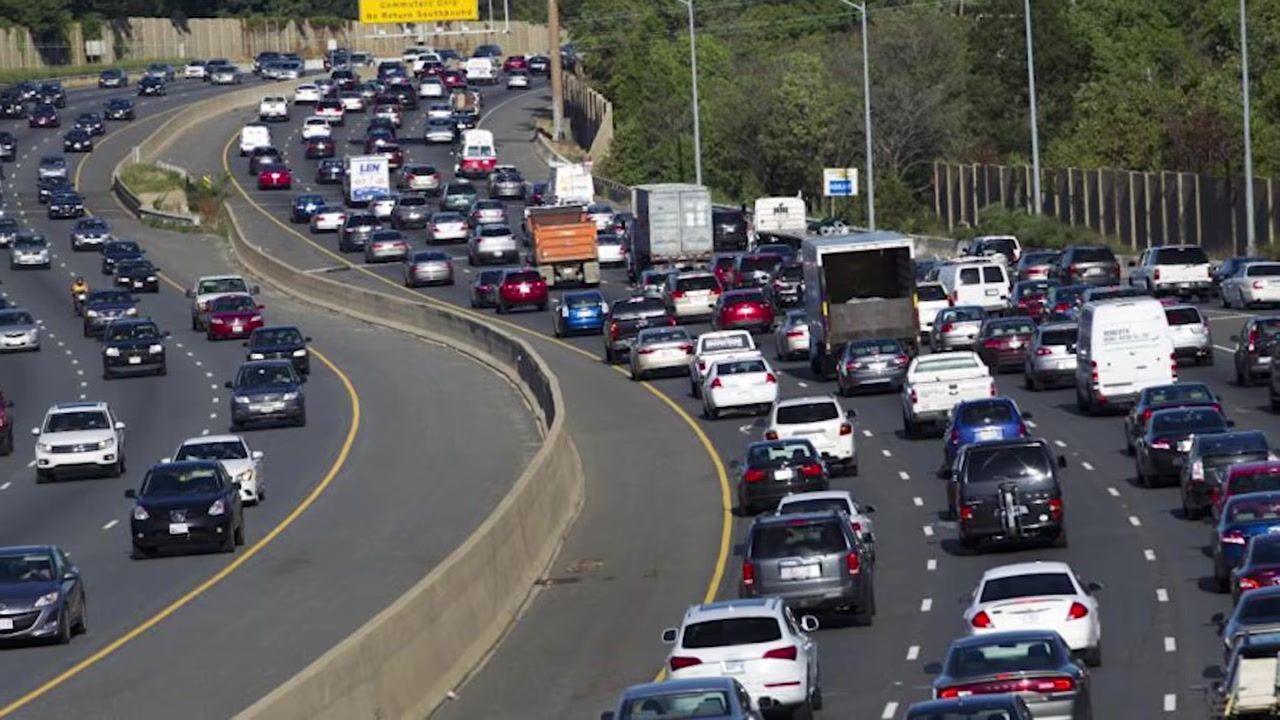
Here's the thing about traffic in the DC area: it's not just bad during rush hour. It's bad a lot of the time, and it will absolutely shape your daily routine in ways you might not expect if you're coming from a smaller metro.
The Beltway, 270, and even local roads through Potomac and surrounding suburbs get congested fast. What looks like a 25-minute commute on Google Maps at 10 a.m. can easily turn into 50 minutes at 7:30 a.m. And that's on a good day, with no accidents or weather. I've had clients who thought they could handle the drive from Frederick or even farther out, only to realize six months in that they're spending two hours a day in the car, and that changes everything.
If you're working in DC or Northern Virginia and you're looking at homes farther out to save money, please factor in what that commute will actually feel like five days a week. Your quality of life depends on it. Some buyers are fine with the trade-off. Others burn out fast.
The Fast-Paced Lifestyle
The DMV moves differently than a lot of other places. People here are busy, schedules are packed, and there's a certain intensity to the pace of life that catches newcomers off guard. This is a region full of high achievers, government workers, contractors, and professionals who are used to moving fast and getting things done.
That energy can be exciting, but it can also be exhausting if you're coming from a place where life moves a little slower. Social plans get made weeks in advance. Traffic makes spontaneity harder. And if you're used to a more laid-back rhythm, it can take some adjusting.
Speed Cameras Are Everywhere
Okay, this one sounds small, but it's a shock to a lot of people. Maryland has speed cameras and red-light cameras all over the place, especially in Montgomery County and around school zones. You'll get a ticket in the mail weeks after the fact, and if you're not paying attention to those posted limits, those fines add up fast.
It's not a huge deal once you know where they are and adjust your driving, but it's one of those things that feels like a gotcha if no one warned you.
Housing Expectations vs What You'll Actually Find
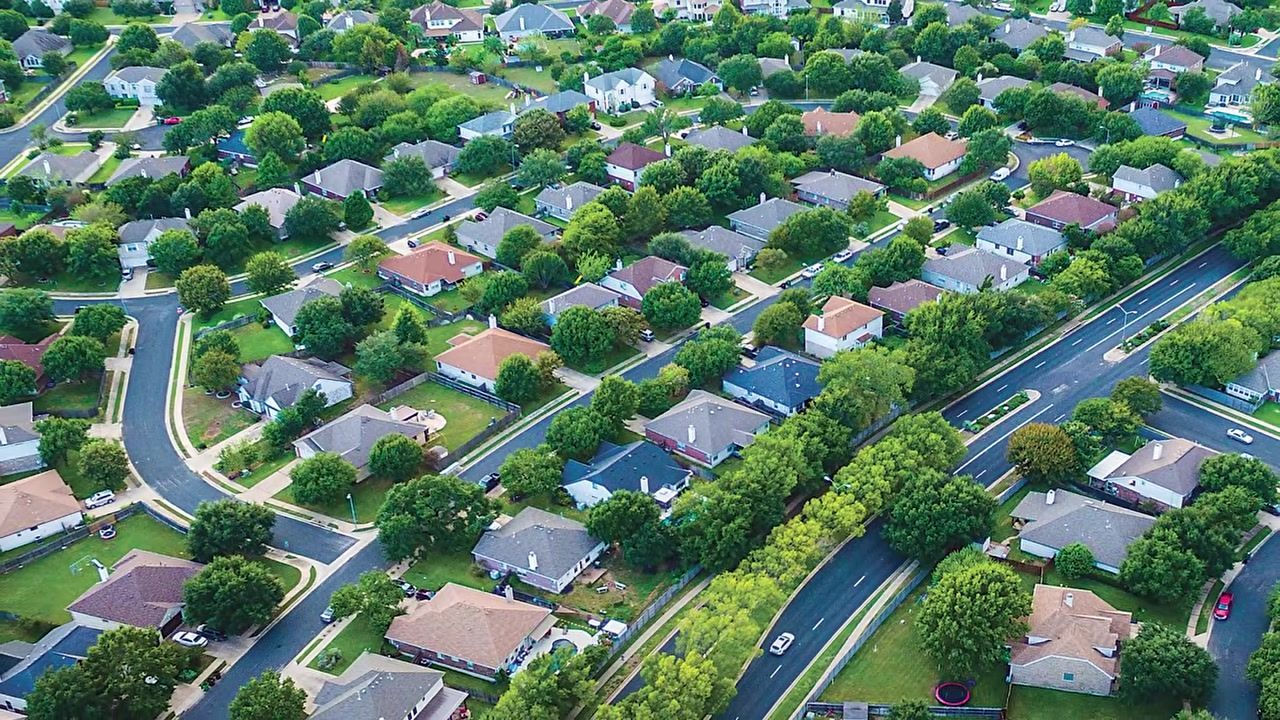
Let's talk about the housing stock. A lot of buyers come here expecting newer construction or at least updated homes, especially at the price points we're talking about in Potomac and nearby areas. What they find instead is a lot of older homes, 1960s, '70s, '80s, that may or may not have been updated.
Some of these homes are beautiful and well-maintained. Others need work. And at $800,000 or $1.2 million, it can be frustrating to realize you're buying a house that still has the original kitchen or needs a new roof. The inventory here skews older, and that's just the reality of the market. You're often paying for location and lot size, not the house itself.
If you're expecting move-in ready at every price point, you need to adjust that expectation or budget for renovations.
Cost of Living Breakdown
The Potomac cost of living is high, and it's not just the home prices. Property taxes in Montgomery County are significant. You're looking at income taxes, county taxes, and depending on where you work, you might be paying taxes in multiple jurisdictions. Groceries, gas, childcare, dining out, it all costs more here than in many other parts of the country.
I'm not saying it's not worth it. But I am saying you need to run the numbers honestly before you commit. A $900,000 home here comes with a very different monthly cost than a $900,000 home in a lower-tax state, and that can be a shock if you're not prepared for it.
Local Rules and Regulations
Maryland and Montgomery County in particular have a lot of rules. Permitting for renovations can be strict. There are regulations around tree removal, stormwater management, and what you can and can't do with your property. HOAs in some neighborhoods add another layer.
If you're used to a more hands-off approach from local government, this can feel like a lot. It's not necessarily a bad thing, it keeps neighborhoods looking good and protects property values, but it's something to be aware of.
Deer, Ticks, and Lyme Disease
This one surprises people every time. We have a serious deer population in the Maryland suburbs, and with that comes ticks, and Lyme disease is a real concern. If you have kids or pets who spend time outside, you need to be vigilant about tick checks, especially in the spring and summer.
Deer also mean you'll need to think about your landscaping differently. Certain plants get destroyed. Fencing becomes a consideration. It's just part of life here, but it's not something buyers from urban areas or the West Coast always expect.
Weather and Seasonal Changes
Maryland has four real seasons, and that means variety, but also weather you have to prepare for. Summers are hot and humid. Winters can bring snow and ice, though it's not consistent year to year. Spring and fall are beautiful, but pollen in the spring can be intense.
If you're coming from a place with mild weather year-round, the humidity in July and August might be a bigger adjustment than you think. And you'll need a snow shovel, even if you only use it twice a year.
Political and Cultural Differences
The DMV leans progressive, especially in Montgomery County and areas like Potomac. If you're moving from a more conservative area, that cultural shift can be noticeable, in conversations, in local policies, in the general vibe. It's not a problem for most people, but it's worth knowing that the political climate here is part of the fabric of daily life.
Understanding Micro-Markets
Here's something critical: Maryland is not one market. Even within Montgomery County, neighborhoods can feel completely different from each other. Potomac has a different vibe than Bethesda, which is different from Silver Spring or Rockville. School boundaries, walkability, commute access, and even the age and style of homes vary dramatically within a few miles.
You can't just say "I want to live in Maryland" and expect every option to feel the same. You need to understand the micro-markets and figure out which one actually fits your lifestyle. That's where working with someone who knows the area inside and out makes a huge difference.
Government Impact on Housing
Because so much of the economy here is tied to the federal government, housing demand and inventory are heavily influenced by government hiring, budget cycles, and policy changes. When there's a hiring surge, competition heats up. When there's uncertainty, the market can slow. It's a unique dynamic that doesn't exist in most other metros.
Which Maryland Suburb Is Right for You?
So how do you figure out if Maryland, and specifically the DC suburbs, are the right fit? Start by being honest about your priorities. If you need a short commute and walkability, you're looking at a different set of neighborhoods than someone who wants space and is okay with a longer drive. If schools are your top priority, that narrows things down fast.
And if cost of living is a major factor, you might need to look at areas farther out or be willing to take on a renovation project. There's no perfect answer, but there is a right answer for you, and it starts with knowing what you're actually walking into.
Ready to Make Your Move?
If you're seriously considering buying a home in Potomac or anywhere in the Maryland suburbs, let's talk. I've been doing this for over 20 years, and I've helped hundreds of people relocate here, people who went in prepared and ended up loving it. Call me at 301-802-4182 or book a FREE consultation here. Let's make sure you end up in the right place for your life, not just the right house!
FAQ
What is the traffic like in the DC suburbs of Maryland?
Traffic in the DMV is heavy, especially during rush hour on the Beltway, 270, and local roads. A commute that looks short on a map can take significantly longer in real conditions, and it's something you need to factor into your daily routine before choosing where to live.
How much does it cost to live in Potomac, Maryland?
The cost of living in Potomac is high. Beyond home prices, you'll pay significant property taxes, Maryland state and county income taxes, and higher costs for groceries, gas, and services. It's important to budget for the full monthly cost, not just the mortgage.
Are there a lot of older homes in the Maryland suburbs?
Yes. Much of the housing stock in Potomac and surrounding areas was built in the 1960s through 1980s. While some homes are beautifully updated, many need work. You're often paying for location and lot size rather than a brand-new house.
Is Lyme disease a concern in Maryland?
Yes. The deer population in Maryland suburbs brings ticks, and Lyme disease is a real risk. If you spend time outdoors or have kids and pets, regular tick checks and preventive measures are essential, especially in spring and summer.
How do I choose the right neighborhood in Maryland?
Maryland suburbs are made up of distinct micro-markets that vary widely in vibe, walkability, schools, and commute access. You need to understand these differences and match them to your lifestyle. Working with a local agent who knows the area well is the best way to find the right fit.
Do I need to worry about local regulations when buying in Maryland?
Yes. Montgomery County has strict rules around renovations, tree removal, and property modifications. Permitting can be more involved than in other areas, and some neighborhoods have active HOAs. It's something to be aware of before you buy.