Living in Maryland looks dreamy on paper — crab feasts, Chesapeake sunsets, easy access to Washington DC — but there are everyday realities that catch newcomers off guard. This honest guide explains the thorns among the roses so you can decide whether this state fits your lifestyle and budget.
Table of Contents
- What Maryland Commutes Really Look Like
- Maryland Weather: Humid, Hot & All Over the Place
- Cost of Living in Maryland: Why You Pay More
- Culture Clashes & Regional Differences You’ll Notice Fast
- Maryland Weather Hazards They Don’t Warn You About
- Random Construction & Strict Rules: What to Expect
- Why Maryland’s Credit Rating Matters
- Why Many People Still Choose Maryland
- What to Know Before Moving to Maryland
- FAQs About Living in Maryland
- Closing thought
What Maryland Commutes Really Look Like
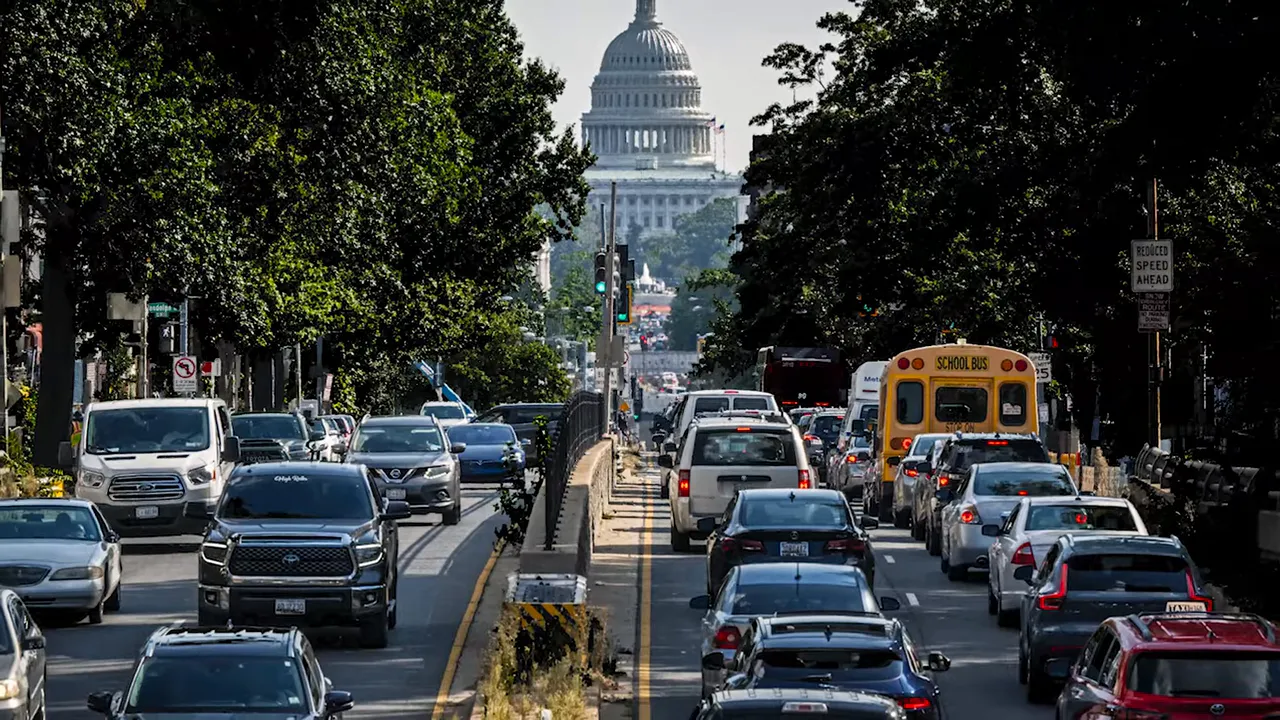
If you are considering living in Maryland, plan on spending a lot of time on the road unless you work and live in a dense, walkable downtown. Montgomery County and the beltway corridors are notorious for being clogged. What used to be a rush hour can now stretch into the middle of the day. A routine Tuesday commute has a real chance of turning into a two hour ordeal.
Another detail that bites many newcomers: red light and speed cameras. They are everywhere, and enforcement is strict. Drivers joke about needing to stay under 11 miles per hour over the limit and coming to complete stops at every sign. Those minor infractions can cost you, and the constant watch for cameras changes how people drive.
Watch out for those cameras because I'm telling you, I think that's how Maryland makes a lot of its money.
Maryland Weather: Humid, Hot & All Over the Place
Maryland weather is a study in contrasts. Summers are humid to the point of feeling like "walking through soup." Heat indexes creep past 100 degrees and sometimes flirt with triple digits for consecutive days. When you combine high humidity with aging air conditioning systems, it can feel unbearable.
But it is not just summer. Weather whiplash happens here: humid thunderstorms can be followed by freezing rain or a surprise snowfall in a single week, even a single day. That quirk shows up in how schools and workplaces respond. Even marginal snow predictions often prompt closures or delayed starts, which complicates life for working parents.
Cost of Living in Maryland: Why You Pay More
One blunt fact: living in Maryland is expensive. Overall cost of living runs well above the national average. Property taxes vary by county, but statewide pressures and a nearly 6 percent top marginal income tax rate mean housing and take-home pay are both impacted.
Montgomery County families report basic-need expenses that have roughly doubled over two decades. Outside the DC metro core, public transit options can be limited, so car ownership — gas, insurance, tolls and maintenance — becomes a necessary and ongoing line item. Major tolls on I‑95 and the Chesapeake Bay Bridge add up quickly for commuters and weekend travelers alike.
Culture Clashes & Regional Differences You’ll Notice Fast
Maryland is compact but culturally diverse, and that can feel jarring. Coastal towns, agricultural communities, and suburban counties near DC each have their own identity — sometimes it feels like three different states squeezed into one. Political and lifestyle differences are visible and occasionally heated at the local level.
Assumptions about the whole state being one political color are misleading. The DC suburbs lean more liberal while much of the state's interior and Eastern Shore can feel quite conservative. Local rules, such as limited Sunday alcohol sales in some areas, are real inconveniences for newcomers used to different norms.
Maryland Weather Hazards They Don’t Warn You About
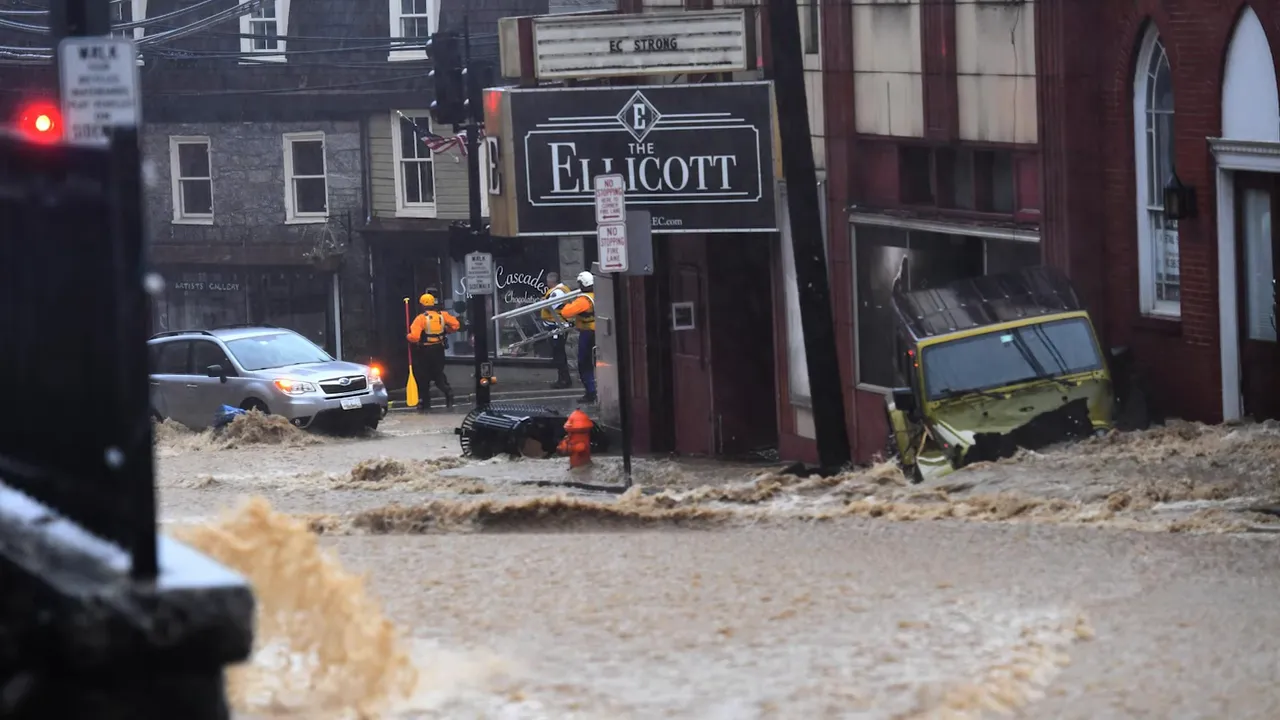
Living near the water is part of the appeal, but coastal and low-lying areas are seeing more frequent flooding. Sea level rise plus stronger storms means some homeowners face repeated repairs and skyrocketing insurance premiums. That risk influences property choices and long-term affordability.
Allergies are another underestimated annoyance. Long growing seasons, dense tree cover, and sustained humidity produce heavy pollen counts in spring and recurring grass and ragweed problems later in the season. Combine that with summer haze and occasional code orange air quality alerts and outdoor comfort drops even further.
Random Construction & Strict Rules: What to Expect
Rapid development in counties like Montgomery and Howard has eaten into green space and increased the built up feel. Road projects seem eternal, and construction noise is a daily backdrop in growing suburbs.
HOAs are common in many neighborhoods and can be stricter than people expect. Rules may cover paint colors, parking, landscaping, and more. For some, that is peace of mind; for others, it feels invasive. Factor these rules into your search and read HOA documents carefully before buying.
Why Maryland’s Credit Rating Matters
There is also a less visible risk: fiscal health. A recent downgrade of the state's credit rating signals vulnerability tied to heavy dependence on federal employment and policy shifts in Washington. That downgrade could translate into higher borrowing costs for the state and, over time, fewer resources for public services or higher taxes.
Why Many People Still Choose Maryland
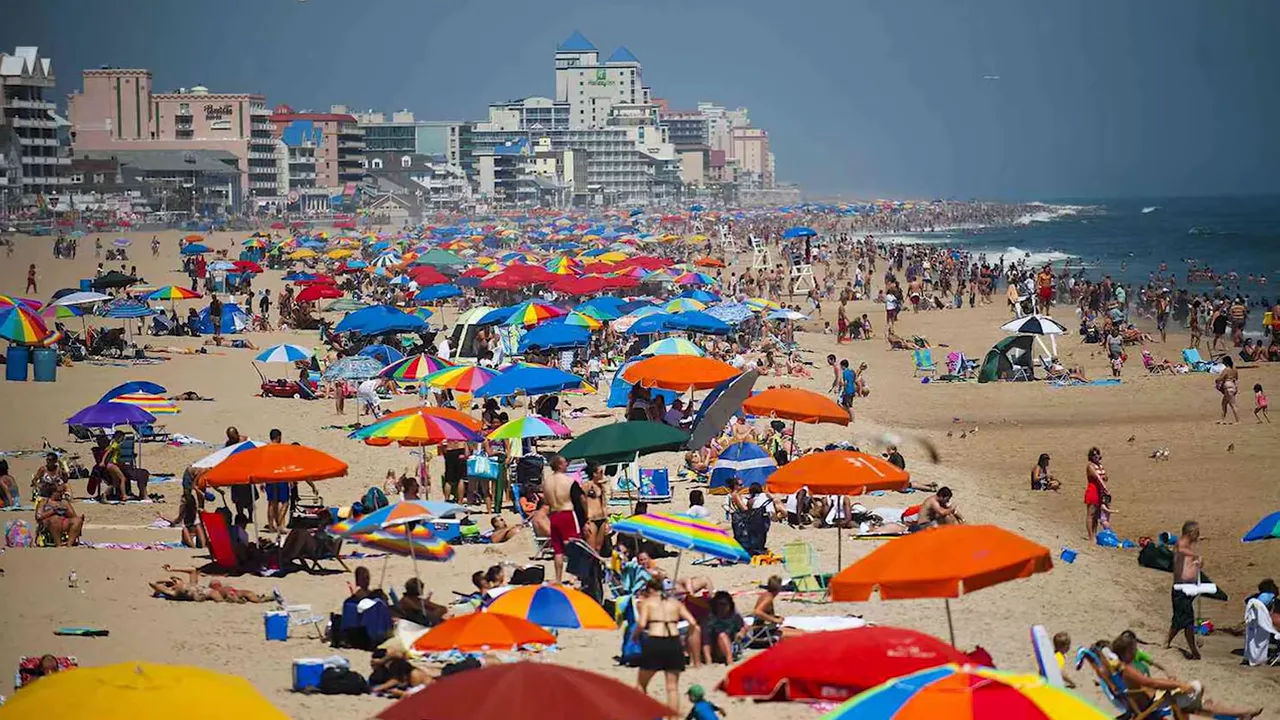
Despite the drawbacks, people move here — or move back — for good reasons. The location is uniquely flexible. Within an hour you can reach the capital, beaches, and mountains. Seafood and shoreline culture remain unmatched. There is strong job opportunity, excellent schools in many counties, and deep historic roots that many families cherish.
The choice comes down to matching priorities. If you value proximity to DC, access to nature, and vibrant local amenities, living in Maryland can be rewarding. If you are highly sensitive to heat, allergy seasons, long commutes, or tight budgets, you will want to plan carefully before relocating.
What to Know Before Moving to Maryland
- Test commutes: Drive the route at rush hour to see what your daily life will really feel like.
- Budget for car ownership: Factor in tolls, insurance, and maintenance when comparing offers.
- Investigate neighborhoods: Ask about HOA rules, flood history, and local development plans.
- Prepare for allergies: Talk to a local allergist and plan for seasonal medications or air filters.
- Check county services: Research school policies for weather closures and local public safety alerts.
FAQs About Living in Maryland
Is traffic the same across the state?
Traffic varies widely. Areas near Washington DC, like Montgomery County and parts of Prince George's County, experience heavy congestion. Rural and Eastern Shore regions are much less congested, but public transit options shrink outside the metro corridor.
How bad are the summers and will I need strong air conditioning?
Summers are humid and often hot. Heat indexes commonly push above 100 degrees, so reliable air conditioning is essential. Expect AC repair or replacement at some point; prolonged outages feel especially brutal.
Is living in Maryland expensive compared to neighboring states?
Yes. Overall cost of living is higher than the national average. Property taxes and income taxes vary by county, and everyday costs such as groceries and utilities tend to be costlier than in many neighboring states.
Are coastal properties risky because of flooding?
Coastal and low elevation properties face increasing flood risk. Sea level rise and stronger storms have made flooding more frequent in some neighborhoods, driving up insurance costs and repair needs.
Will my allergies get worse here?
Many people experience strong seasonal allergies due to high humidity, dense tree cover, and long growing seasons. Spring pollen, grass, and ragweed seasons can all be significant.
Should I be worried about local politics or regulations?
Local culture and politics can vary dramatically within short distances. Expect different rules, blue laws, and political leanings depending on whether you are near the coast, in the DC suburbs, or in rural counties.
Does the state's credit downgrade affect residents?
A credit downgrade can increase the state's borrowing costs, which over time could influence taxes or public services. It is a signal to watch for long-term fiscal policy changes that could affect residents.
Closing thought
If you are thinking about living in Maryland, go in eyes open. There is beauty, opportunity, and community here, but also real day-to-day frustrations: traffic, weather extremes, higher costs, and environmental risks. With careful planning and a clear sense of priorities, Maryland can be a wonderful place to call home. If those tradeoffs feel manageable, the seafood, shorelines, and convenience make it worth considering.