Where Washington DC’s Ultra-Rich Actually Live
Washington DC wealth doesn't announce itself. You won't find McMansions with columns visible from the highway or gated communities with fountain entrances. The ultra-rich here buy privacy, proximity to power, and properties that rarely hit the MLS. I'm talking about the neighborhoods where Mark Zuckerberg drops $23 million, where presidents have lived, and where off-market estate deals close north of $20 million without fanfare.
This isn't about Bethesda or Chevy Chase, those are wealthy, sure, but they sit in a different tier. The real concentration of ultra-high-net-worth buyers is in three DC neighborhoods and two suburban estate markets. Inside the District, it's Kalorama, Woodland Normanstone, and Georgetown. Outside the city, McLean, Virginia leads the region in ultra-luxury closings, while Potomac, Maryland's estate market performs at the top in ways most people don't realize.
If you're moving to the DC area and wondering where the ceiling actually is, or you're curious how wealth concentrates beyond the headlines, here's the real picture using 2025 sales data, active listings pushing $60 million, and the neighborhoods that define ultra-luxury in this region.
Table of Contents
- Inside DC: The Three Power Enclaves
- Woodland Normanstone: Historic Estates and Presidential Ties
- Kalorama: Where Tech Founders and Global Leaders Buy
- Georgetown: The Original Prestige Address
- McLean: Virginia's Ultra-Luxury Leader
- Potomac: Maryland's Estate Market Reality
- The Largest DC-Area Sales of 2025
- Which Market Is Right for You
- Conclusion
Inside DC: The Three Power Enclaves
When I say ultra-rich in Washington DC, I mean three neighborhoods. Not Adams Morgan. Not Dupont Circle. Woodland Normanstone, Kalorama, and Georgetown are where the region's highest-dollar residential sales happen inside the District. These aren't just expensive zip codes, they're enclaves with historic significance, architectural pedigree, and buyer profiles that include tech founders, diplomats, and people whose names you recognize from global news.
What sets these neighborhoods apart is scarcity. Inventory is limited, turnover is slow, and when a property does come to market, it's often handled off-market or through quiet listings that never see a public showing. The buyers here value discretion as much as square footage. They want walkability to embassy events, proximity to Georgetown University or the National Cathedral, and homes that have hosted presidents or cabinet members.
If you're relocating to DC and considering these markets, understand that competition is different here. You're not outbidding other buyers on price alone, you're proving you belong in a neighborhood where relationships and reputation matter as much as your bank account.
Woodland Normanstone: Historic Estates and Presidential Ties
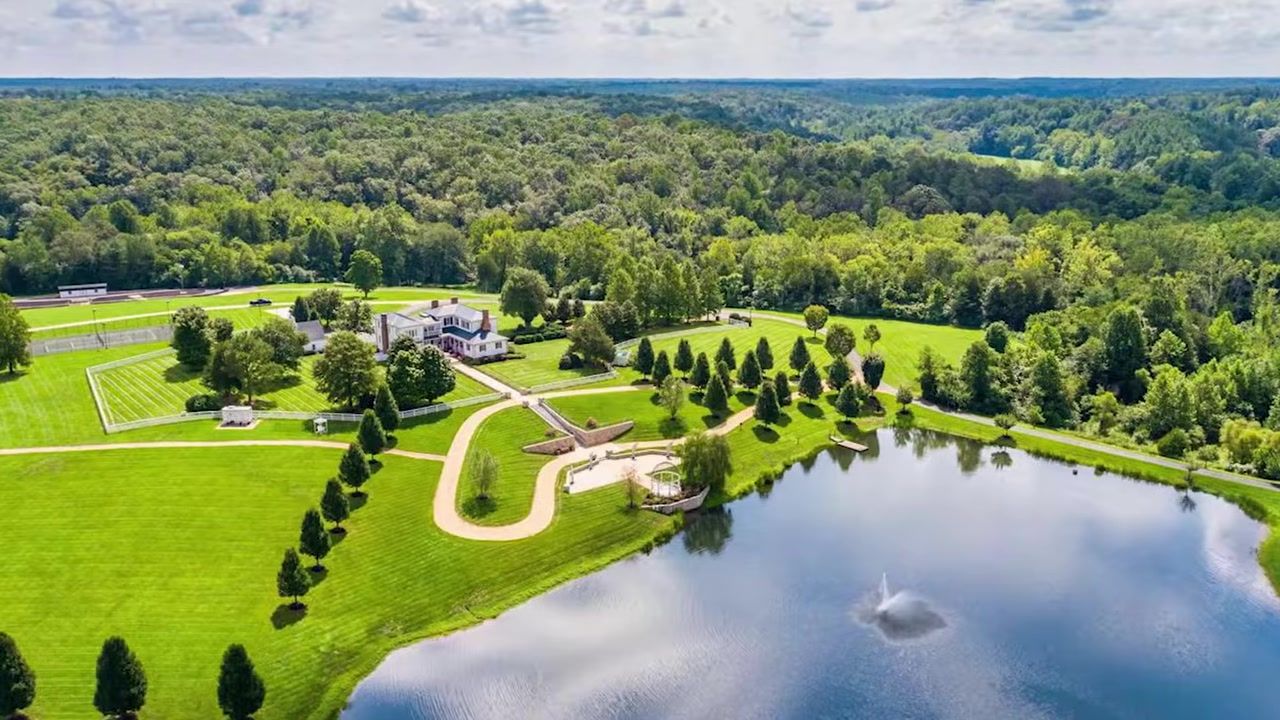
Woodland Normanstone sits in Northwest DC, bordered by Rock Creek Park and Massachusetts Avenue. This is where you find large lots, mature trees, and homes with the kind of privacy you don't expect inside a city. The neighborhood has presidential history, multiple presidents have lived here, and the architecture leans toward grand estates rather than rowhouses.
The appeal for ultra-high-net-worth buyers is land. You can get a full acre or more, which is rare in DC proper. The homes are set back from the street, often gated, and the neighborhood feels more like a private enclave than an urban grid. It's quiet, it's established, and it attracts buyers who want space without leaving the District.
If you're moving to Washington DC and you need a compound-style property with room for security, staff, or just separation from neighbors, Woodland Normanstone is one of the few places inside the city where that's possible. Expect prices well into the eight figures for the best properties.
Kalorama: Where Tech Founders and Global Leaders Buy
Kalorama is the neighborhood everyone points to when they talk about DC's ultra-rich. Mark Zuckerberg paid $23 million here. The Obamas bought here. It's the address that signals you've arrived at the highest level of wealth and influence in Washington.
The homes are a mix of grand embassies, historic mansions, and newer construction that respects the neighborhood's architectural character. You're walking distance to Dupont Circle, Adams Morgan, and the best of Northwest DC's dining and culture, but the streets themselves are residential, tree-lined, and surprisingly quiet for being so central.
What I see with Kalorama buyers is they want the DC experience, walkability, proximity to power, the ability to host, but they also want a property that makes a statement. These aren't starter homes for the wealthy. They're the homes you buy when you're done climbing and you want to be in the room where decisions are made. Prices start in the mid-seven figures and go past $20 million for the best blocks.
Georgetown: The Original Prestige Address
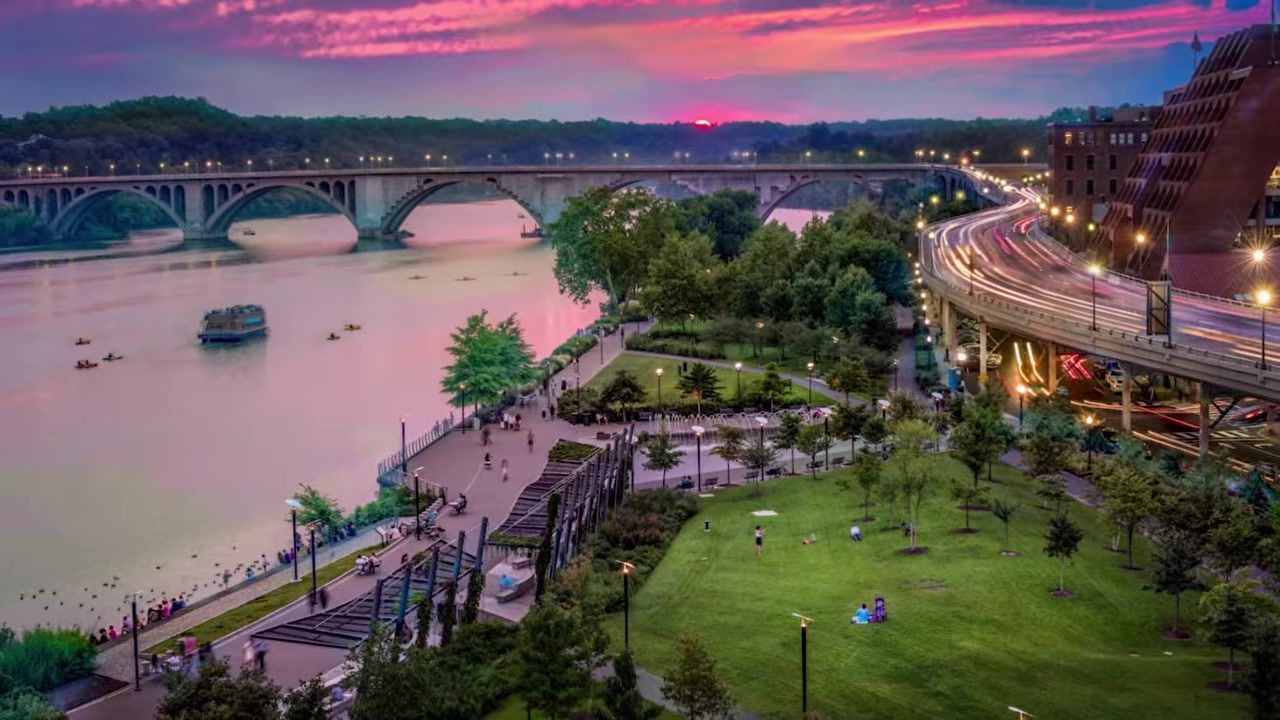
Georgetown is the neighborhood people outside DC think of when they picture wealth in the capital. Cobblestone streets, Federal-style rowhouses, waterfront views along the Potomac, and a shopping and dining scene that's been the gold standard for decades. It's the original prestige address, and it still holds that status.
The ultra-luxury market here skews toward historic properties with modern renovations. Buyers want the Georgetown name, the walkability, and the social cache, but they also expect chef's kitchens, climate control, and parking, things the original 18th-century builders didn't plan for. The best properties are on the water or on the most coveted blocks near Dumbarton Oaks.
If you're relocating to DC and Georgetown appeals to you, know that you're paying for location and history as much as the home itself. The neighborhood is expensive across the board, but the ultra-luxury tier, the homes that compete with Kalorama and Woodland Normanstone, are the ones with water access, significant land, or provenance that includes famous former owners.
McLean: Virginia's Ultra-Luxury Leader
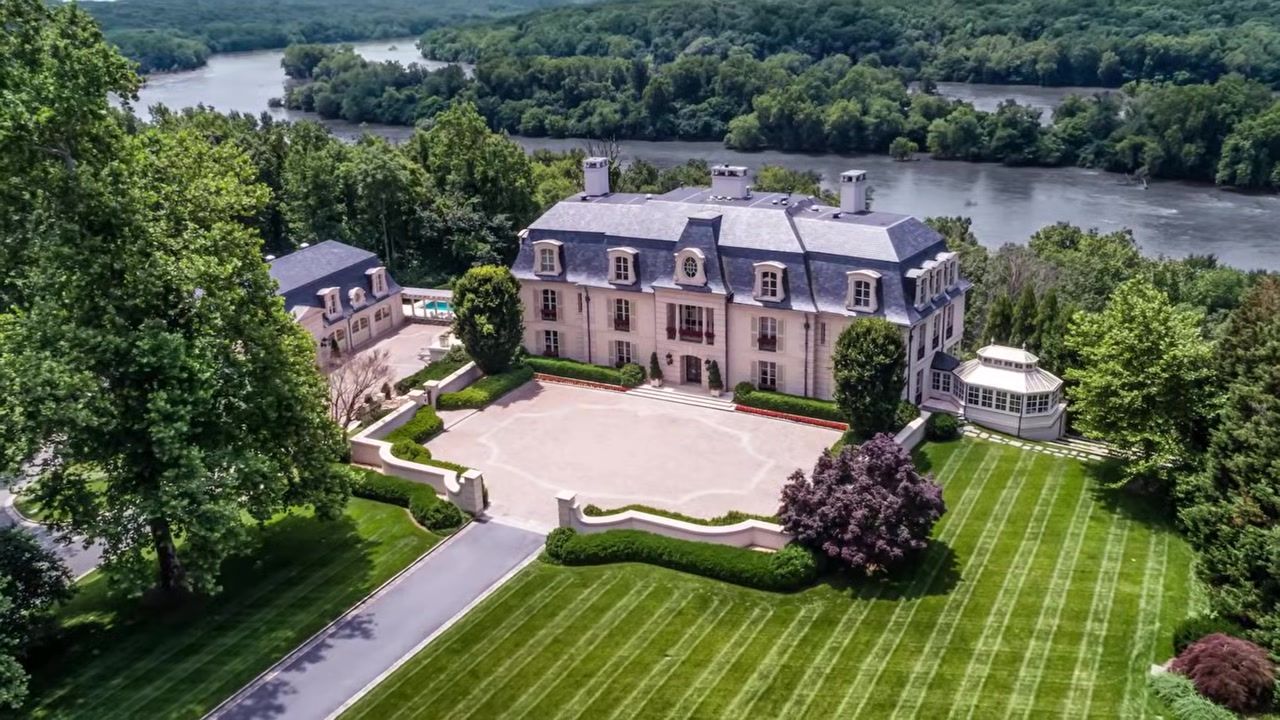
McLean, Virginia continues to lead the DC region in ultra-luxury closings. This is where the estate market really performs at the top. We're talking properties on multiple acres, gated entries, and prices that regularly close above $10 million, with the highest sales pushing past $20 million.
The draw is privacy and land. McLean sits just outside the Beltway, close enough to DC for an easy commute, but far enough out that you can get five, ten, even twenty acres if you want it. The homes are custom builds or significant renovations, often with every amenity you can think of: home theaters, wine cellars, pools, guest houses, and garages that hold ten cars.
Buyers here are tech executives, finance professionals, and people who want a compound-style property without the constraints of DC's zoning or the scrutiny that comes with a Georgetown address. McLean also attracts international buyers who want proximity to Dulles Airport and the kind of estate that signals serious wealth. If you're moving to the DC area and you want land, privacy, and a home that can accommodate a large family or staff, McLean is the market to watch.
Potomac: Maryland's Estate Market Reality
Potomac, Maryland is the other estate market that performs at the top, and it's one people underestimate. The 2025 benchmark here shows sales that compete with McLean's best closings, and the active listings include properties priced as high as $60 million. This isn't Bethesda. This isn't Chevy Chase. Potomac's ultra-luxury tier is a different animal.
The homes sit on large lots, often with golf course frontage, equestrian facilities, or direct access to the C&O Canal and Potomac River. The architecture varies, some buyers want modern glass-and-steel, others want traditional brick estates, but the common thread is space and seclusion. You're fifteen minutes from Bethesda, thirty minutes from DC, and you can still get five acres with a main house, guest house, and pool complex.
What I see with Potomac buyers is they want the Maryland side for the schools, the land, and the slightly lower profile compared to McLean. It's less flashy, more private, and the estate market here moves through relationships and off-market deals as much as public listings. If you're relocating to the DC area and you want a Potomac estate, expect to work with an agent who knows the top-tier inventory before it hits the MLS.
The Largest DC-Area Sales of 2025
The largest sale inside Washington DC in 2025 was in one of these three neighborhoods, Kalorama, Woodland Normanstone, or Georgetown. I'm not going to name the exact property, but it was a historic estate with presidential ties, and it closed well above $20 million. That's the ceiling inside the District right now.
The top suburban sale was in McLean. Again, I'm not naming the buyer, but it was an off-market deal on a multi-acre estate with every amenity you can imagine. The price was north of $20 million, and it never saw a public showing. That's how the ultra-luxury market works here, relationships, discretion, and deals that close before most people know the property was available.
Potomac's 2025 benchmark is also worth noting. The highest sale there was in the same range as McLean's top closings, and the active listings include properties asking $60 million. That's the ceiling for the DC area right now, and it's in Potomac, not Bethesda or Chevy Chase.
Which Market Is Right for You
If you want to be inside DC, walkable to power and culture, and you're willing to pay for history and prestige, look at Kalorama, Woodland Normanstone, or Georgetown . Each has a different character, Kalorama is the most high-profile, Woodland Normanstone offers the most land, Georgetown gives you the waterfront and the name, but all three put you in the room where decisions are made.
If you want land, privacy, and a true estate, McLean leads the region in ultra-luxury closings . You'll get more space, more amenities, and more seclusion than you can find inside the District. The Virginia side also gives you proximity to Dulles and Tysons, which matters if you travel frequently or work in tech.
Potomac is the Maryland estate market that competes with McLean at the top. You'll get similar land and privacy, with the added benefit of Montgomery County schools and a slightly lower profile. The ultra-luxury market here is real, and the 2025 sales data proves it.
Bethesda and Chevy Chase are wealthy, but they sit in a different tier. If you're looking at $60 million listings and $20 million closings, you're looking at McLean, Potomac, or inside DC.
Conclusion
Washington DC's ultra-rich don't buy for show. They buy for proximity, privacy, and properties that rarely need to be advertised. Whether it's Kalorama's tech founders, Woodland Normanstone's presidential estates, Georgetown's historic prestige, McLean's acreage, or Potomac's $60 million listings, the concentration of wealth in this region is strategic and quiet.
If you're considering a move to the DC area and you want to understand how the ultra-luxury market really works, or you're ready to explore these neighborhoods yourself, let's talk. I work these markets every day, and I can show you inventory and opportunities that never make it to the public listings. Schedule a Zoom consultation with our team, and we'll walk through what's available, what's coming, and how to position yourself in a market where relationships matter as much as price.
FAQ
What are the most expensive neighborhoods in Washington DC?
The three neighborhoods where DC's ultra-rich actually live are Kalorama, Woodland Normanstone, and Georgetown. These are the only areas inside the District where sales regularly close above $10 million, with the highest transactions pushing past $20 million. Mark Zuckerberg's $23 million purchase in Kalorama is a recent example, and Woodland Normanstone has presidential history and the largest lots you'll find in DC proper.
Why does McLean lead the DC area in ultra-luxury sales?
McLean, Virginia offers land, privacy, and estate-style properties that you can't find inside the District. Buyers here can get five to twenty acres, custom builds with every amenity, and proximity to Dulles Airport and Tysons. The market consistently produces closings above $20 million, and many of the best deals happen off-market through agent relationships rather than public listings.
How does Potomac's estate market compare to McLean?
Potomac, Maryland competes with McLean at the top of the ultra-luxury market. The 2025 benchmark shows sales in the same range as McLean's highest closings, and active listings in Potomac include properties priced as high as $60 million. Buyers here get large lots, privacy, and access to Montgomery County schools, with a slightly lower profile than the Virginia side.
Are Bethesda and Chevy Chase considered ultra-luxury markets?
Bethesda and Chevy Chase are wealthy neighborhoods with local schools and strong real estate values, but they sit in a different tier than McLean, Potomac, or the top DC enclaves. The ultra-luxury market, properties closing above $20 million and listings at $60 million, concentrates in McLean, Potomac, Kalorama, Woodland Normanstone, and Georgetown. Bethesda and Chevy Chase are more accessible and residential, but they don't see the same estate-level transactions.
What is the highest-priced home for sale in the DC area right now?
As of 2025, the highest-priced active listings in the DC area are in Potomac, with properties asking as much as $60 million. These are multi-acre estates with every amenity, often sold off-market or through quiet listings. McLean also has properties in this range, and inside DC, the top listings in Kalorama and Woodland Normanstone can exceed $20 million.
How do I buy an ultra-luxury home in the DC area?
The ultra-luxury market in DC, McLean, and Potomac moves through relationships and off-market deals as much as public listings. Many of the best properties never see a showing, they're sold through agent networks to pre-qualified buyers. If you're serious about buying at this level, work with an agent who has access to these listings and can position you before a property hits the MLS.
Recent Posts