7 DC Suburbs Buyers Regret Moving To (And Why)
You're scrolling through listings online. The homes look perfect. The neighborhoods check every box. The schools are strong, the square footage is generous, and the price feels right. Then you move in, and six months later, you're sitting in traffic on Route 28 or the Beltway, realizing your daily life looks nothing like what you imagined when you clicked "schedule a showing."
The DC metro area is one of the most complex housing markets in the country. Two neighborhoods can look exactly alike online but feel completely different when you actually live there. I've worked as a realtor here for over 20 years, grew up here, raised my family here, and I cannot tell you how many times I've had buyers call me a year after closing saying they wish they'd understood what their commute would really feel like, or how disconnected they'd feel, or how much time they'd spend in the car.
This isn't about bad neighborhoods. Ashburn, Leesburg, Woodbridge, Rockville, Potomac, Bethesda, and Arlington are all strong markets with a lot to offer. But each one comes with very specific trade-offs that don't show up in photos or listing descriptions. In this market, your location determines your lifestyle, how much you drive, how much time you spend in traffic, how often you actually go into DC, how connected or disconnected you feel. Those things are very hard to see when you're just looking at a screen.
If you're relocating to the DMV or moving within the area, understanding these differences before you buy can help you choose a neighborhood that actually fits your day-to-day life, not just what looks good online.
Table of Contents
- Ashburn: More Space, More Time in the Car
- Leesburg: The Same Trade-Off, Further Out
- Woodbridge: I-95 and the Unpredictability Problem
- Rockville: Closer Than It Feels
- Potomac: Privacy and Space vs. Connectivity
- Bethesda: Walkability at a Premium
- Arlington: Proximity Doesn't Solve Everything
- Which DC Suburb Is Right for You?
- Conclusion
Ashburn: More Space, More Time in the Car
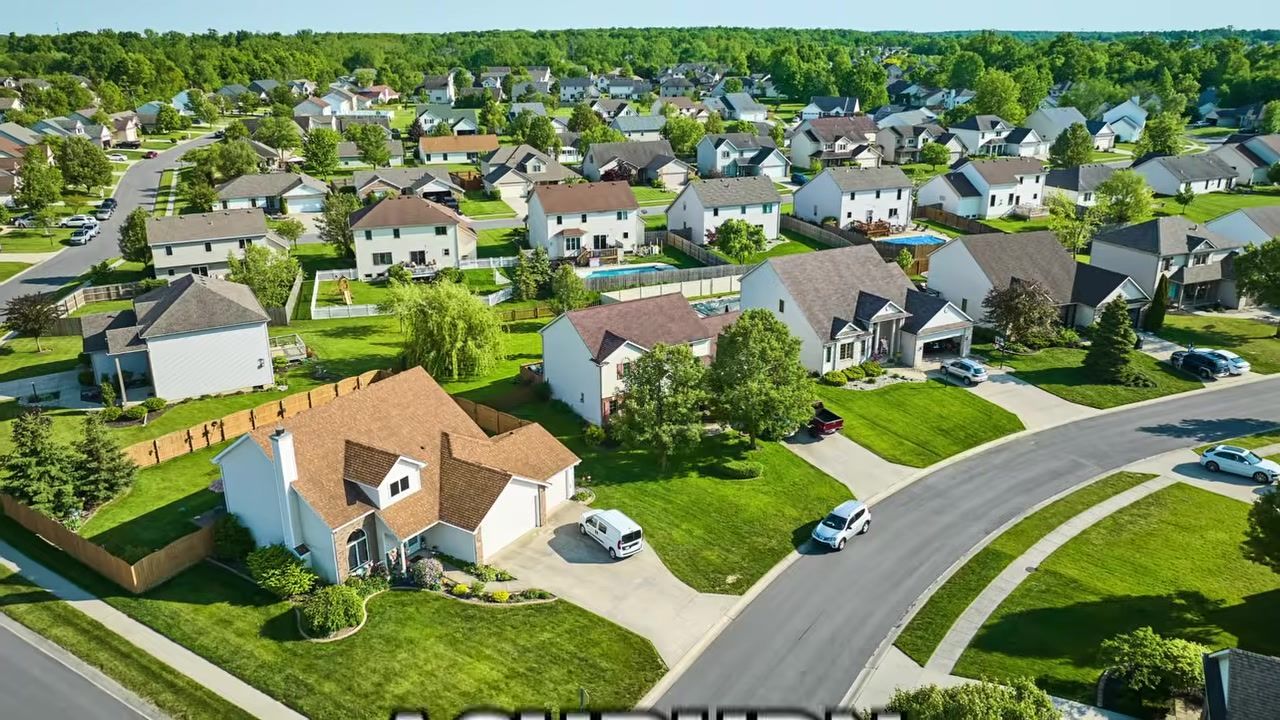
A lot of buyers are drawn to Ashburn because it checks all the boxes. The homes are newer. The neighborhoods are planned out. The schools are strong. You get more space for your money. Compared to closer-in areas, it feels like you're getting a really good deal. And on paper, you are.
But here's where the shift happens. You're far. And it doesn't always feel far when you're looking at it online or when you're driving out there on a weekend to tour homes. But during the week, I promise you, that distance shows up.
You're dealing with the toll road, Route 7, Route 28, and a lot of congestion. What looks like a manageable commute turns into something you're planning your entire day around. I hear the exact same thing all the time: "I didn't realize how much time I would spend in my car." I actually had a client move out there thinking they'd go into DC a couple of times a week, and now it's maybe once or twice a month.
If you work from home most of the time, or you don't need to go into DC regularly, this may actually be perfect for you. The value is real. The neighborhoods are well-maintained. The infrastructure is there. But if you are commuting, even if it's only a few days a week, this is where the regret really starts to creep in. The distance doesn't just affect your commute, it affects how often you go out, how spontaneous you can be, how connected you feel to the city and the broader region.
Relocating to Ashburn works best for buyers who are fully remote or who rarely need to be in DC. If that's not you, think hard about what your weekly routine will actually look like. Because once you're living it, the trade-off between space and time becomes very real.
Leesburg: The Same Trade-Off, Further Out
Leesburg offers a very similar setup to Ashburn. You get newer homes, planned neighborhoods, strong schools, and more space for your money. The appeal is clear, especially if you're moving from a higher-cost area and you want to stretch your budget.
But the same commute challenges apply, and in some cases, they're even more pronounced. You're still dealing with the toll road, Route 7, Route 28, and congestion that can turn a reasonable drive into something you dread. During the weekend, the drive feels manageable. During the week, it's a different story.
I've had buyers move to Leesburg thinking they'd make the commute work, and then six months later they're working from home more than they planned, or they've stopped going into DC altogether. That's not necessarily a bad outcome if you're happy with that lifestyle. But if you moved here expecting to stay connected to the city and you find yourself isolated instead, that's where the regret shows up.
If you're considering moving to Leesburg, ask yourself: how often will I actually need to be in DC? How flexible is my schedule? Am I okay with the fact that spontaneous trips into the city won't really be a thing? Because the value and the space are absolutely there. But so is the distance, and that distance shapes your daily life in ways that are hard to predict until you're living it.
Woodbridge: I-95 and the Unpredictability Problem
A very similar situation plays out in Woodbridge , but with a different kind of commute pain. People are drawn here because the value feels strong. You can get more house, sometimes newer construction, more affordability compared to Arlington or Alexandria. And on paper, it makes a lot of sense.
But the reality is you are tied to I-95, and I-95 is not a forgiving commute. One accident, one slowdown, one bad weather day, and everything backs up. So now instead of a predictable routine, you have a commute that can change dramatically day to day. And over time, that unpredictability becomes exhausting.
I've had buyers tell me they can handle a long commute if it's consistent. What they can't handle is not knowing if it's going to be forty-five minutes or an hour and a half. That variability affects everything, when you leave in the morning, when you get home at night, how much energy you have left for anything else.
If you work locally or your schedule is flexible, Woodbridge can absolutely work. The value is real, and there are parts of Woodbridge that offer a lot. But if you are doing a traditional commute into DC or Northern Virginia, this is one of those areas where people start to second-guess their decision. The pros and cons of living in Woodbridge come down to one question: can you handle I-95, not just on a good day, but on a bad one, over and over again?
Rockville: Closer Than It Feels

In Maryland, I see a slightly different type of regret in Rockville because people choose Rockville for very logical reasons. It's convenient. It has Metro access. There's a lot of shopping and infrastructure. The schools are solid. It feels like a smart, practical choice. And in many ways, it is.
But here's the part that surprises people. Even though it looks super close to DC on a map, it doesn't always feel close. You still have 270. You still have the Beltway. And those two roads can completely dictate your day.
What you thought might have been a quick trip into the city turns into something you have to time, plan, and sometimes avoid altogether. And that's when I hear, "I thought I'd go into DC more than I do." The convenience is there in theory, but in practice, you're still dealing with the same regional traffic that affects everyone else.
Now, if you're near Metro and you actually use it, this can be a great setup. Living in Rockville with Metro access is a very different experience than living in Rockville and driving everywhere. But if you're driving most of the time, it's a very different experience than most people expect. You're not quite close in, but you're not quite far out either. And that middle ground can feel like you're getting neither the value of the outer suburbs nor the convenience of the closer-in areas.
Buying a home in Rockville works well if you're realistic about how you'll actually get around. If you're planning to drive most of the time, understand that 270 and the Beltway are part of your daily life. If you're planning to use Metro, make sure you're actually close enough to a station that it's practical.
Potomac: Privacy and Space vs. Connectivity
Then you have Potomac , which is a completely different type of trade-off. People move here for a reason. The homes are beautiful. The lots are larger. The schools are top tier. It's quiet, it's private. It feels like you really upgraded your lifestyle. And in many ways, you did.
But the flip side of that is you're not connected in the same way. There's very little walkability. You're getting in the car for everything. And depending on where you are, Metro really isn't a part of your daily life. So what ends up happening is your world gets a little smaller. You're not casually going out as much. You're not just popping into DC. Everything takes planning.
I've had buyers move to Potomac from more walkable areas and say the hardest adjustment wasn't the house, it was how much more effort everything took. Running an errand, meeting a friend, going out to dinner, it all requires getting in the car, dealing with parking, and building in extra time. The spontaneity that comes with living in a more connected area just isn't there.
Now, if you want privacy, space, and a quieter lifestyle, Potomac is incredible. The best neighborhoods in Potomac offer a level of space and tranquility that you simply can't get closer in. But if you're someone who values convenience and being out and about, that's where the mismatch can happen. Relocating to Potomac works best if you're intentional about the trade-off you're making. You're choosing space and privacy over connectivity and convenience. Both things can be true, it can be a beautiful place to live and still feel isolating if that's not the lifestyle you want.
Bethesda: Walkability at a Premium
On the flip side, you have places like Bethesda . And these are areas people move to thinking, "This is going to make my life easier." You're closer in. You have walkability. You may have Metro access. All of that is true.
But the trade-off here is the cost. You are paying a premium, sometimes a very significant one, to live in Bethesda. And what surprises people is you don't actually escape traffic. You're still dealing with the same regional congestion. The Beltway is still there. I-66 is still there. Route 50, still there.
So now you've solved the distance problem, but you haven't completely solved the time problem. And that combination, high cost plus ongoing traffic, can feel frustrating, especially if your expectations were different. I've had buyers say, "I thought living in Bethesda meant I wouldn't have to deal with traffic anymore." But the reality is, unless you're walking or taking Metro everywhere, you're still sitting in the same regional traffic as everyone else.
Now, if you truly value proximity, walkability, and being closer to DC, Bethesda can be absolutely worth it. The best places to live in Bethesda offer a lifestyle that's hard to replicate anywhere else in the region. You can walk to restaurants, shops, and Metro. You can get into DC without the toll road or I-95. But it's important to understand exactly what you're getting and what you're not. You're paying for location and convenience, but you're not paying your way out of regional traffic.
Living in Bethesda works best if you're realistic about the cost and you're actually going to use the walkability and Metro access. If you're still driving everywhere, you're paying a premium for amenities you're not using.
Arlington: Proximity Doesn't Solve Everything
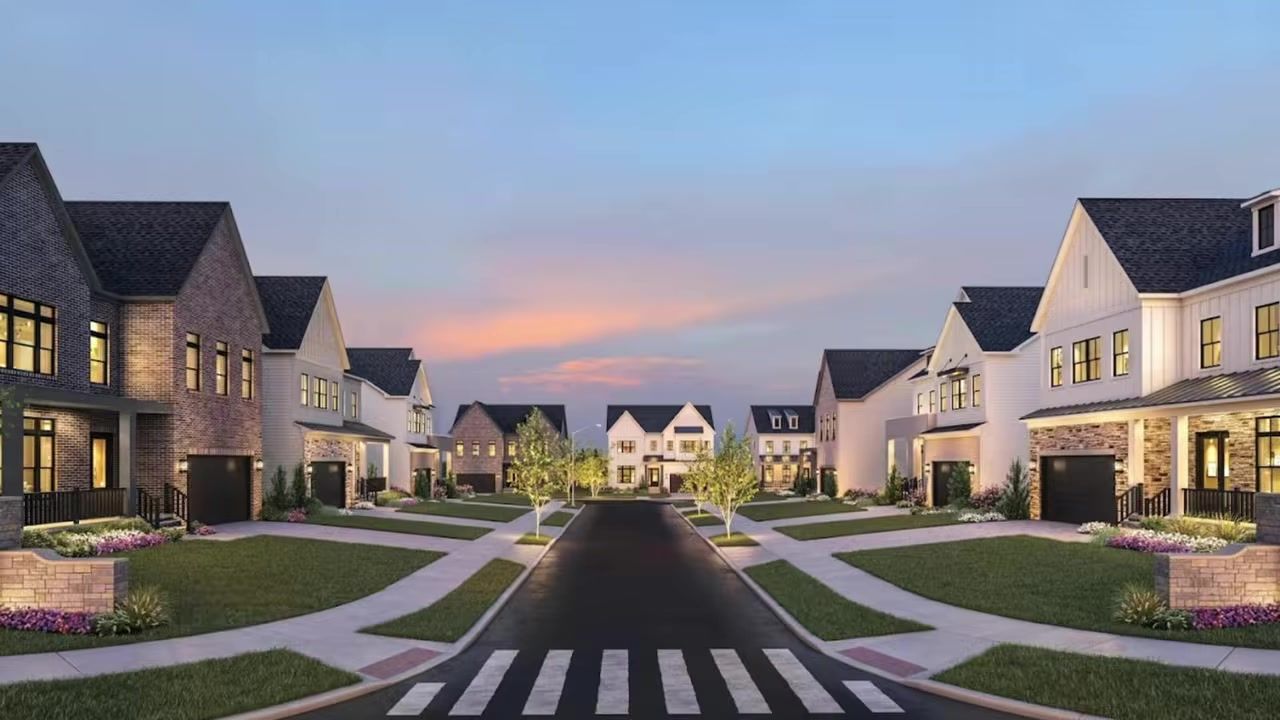
Arlington offers a very similar trade-off to Bethesda. You're closer in. You have walkability. You may have Metro access. The proximity to DC is real, and for a lot of buyers, that's exactly what they're looking for.
But just like Bethesda, you are paying a premium to live here. And just like Bethesda, you don't escape traffic. You're still dealing with the Beltway, I-66, Route 50, and all the same regional congestion that affects everyone else. You've solved the distance problem, but you haven't completely solved the time problem.
I've had buyers move to Arlington thinking they'd be able to get around quickly, and then they realize that even though they're closer in, they're still sitting in traffic. The difference is now they're paying significantly more for the privilege. And that combination, high cost plus ongoing traffic, can feel frustrating if your expectations were different.
Now, if you truly value proximity, walkability, and being closer to DC, Arlington can be absolutely worth it. The best neighborhoods in Arlington offer a lifestyle that's hard to find anywhere else in Northern Virginia. You can walk to Metro, restaurants, and shops. You can get into DC without dealing with the toll road or I-95. But it's important to understand exactly what you're getting and what you're not.
Relocating to Arlington works best if you're realistic about the cost and you're actually going to use the walkability and Metro access. If you're still driving everywhere, you're paying a premium for amenities you're not using. And if you're expecting to avoid traffic entirely, that's just not what I'm seeing.
Which DC Suburb Is Right for You?
This is what all these examples really come down to. It's not that these are bad places to live. Not at all. It's that each one comes with a very specific lifestyle. And if that lifestyle doesn't match how you live day to day, that's where the regret shows up.
Because in this area, more than almost anywhere else, your location kind of determines your lifestyle. It determines how much you drive, how much time you spend in traffic, how often you actually go into DC, how connected or disconnected you feel. And those things are very hard to see when you're just looking at photos online.
Here's how I think about it when I'm working with buyers:
- Choose Ashburn or Leesburg if you're fully remote or you rarely need to go into DC. The value and space are real, but so is the distance. If you're commuting regularly, even a few days a week, think hard about what that will feel like over time.
- Choose Woodbridge if you work locally or your schedule is flexible. The value is strong, but I-95 is unforgiving. If you're doing a traditional commute into DC or Northern Virginia, this is where people start to second-guess their decision.
- Choose Rockville if you're near Metro and you actually use it. If you're driving most of the time, understand that 270 and the Beltway are part of your daily life. You're not quite close in, but you're not quite far out either.
- Choose Potomac if you want privacy, space, and a quieter lifestyle. The homes are beautiful, the lots are larger, the schools are top tier. But you're getting in the car for everything, and your world gets a little smaller. If you value convenience and being out and about, this may not be the right fit.
- Choose Bethesda or Arlington if you truly value proximity, walkability, and being closer to DC. You're paying a premium, sometimes a very significant one, and you're not escaping traffic. But if you're actually going to use the walkability and Metro access, these areas offer a lifestyle that's hard to replicate anywhere else.
Before you choose a neighborhood, the question shouldn't just be, "Do I like this house?" It should be, "What will my daily life look like when I actually live here?" Because that's what really determines if you love where you live or start to question it six months later.
Conclusion
The DC metro area is one of the most complex housing markets in the country, and what makes it tricky is that two neighborhoods may look exactly alike online but feel completely different when you actually live there. Each area comes with very specific trade-offs, commute times, traffic patterns, Metro access, cost of living, walkability, and overall lifestyle fit, that don't show up in listing photos or descriptions.
If you are thinking about buying or selling here in the DMV and you would like my help going through the different neighborhoods, giving you my experience or my clients' experiences on what life actually feels like living in these different areas, please reach out. I've lived here, I grew up here, raised my family here, and I've worked as a realtor for over 20 years. I would love to help you if you're thinking about relocating to the DC area or moving within the region. Call me at 301-802-4182 or book your FREE consultation call.Let's make sure you choose a neighborhood that actually fits your day-to-day life, not just what looks good online.
FAQ
What are the biggest mistakes buyers make when choosing a DC suburb?
The biggest mistake I see is choosing a neighborhood based on how it looks online or how it feels during a weekend visit, without understanding what daily life will actually look like. Commute times, traffic patterns, and how often you'll realistically go into DC are very different during the week than on the weekend. Buyers also underestimate how much time they'll spend in the car, especially in outer areas like Ashburn, Leesburg, and Woodbridge.
Is Ashburn a good place to live if I work in DC?
Ashburn offers great value, newer homes, and strong schools, but the commute to DC is long and can be unpredictable. If you're fully remote or you rarely need to go into DC, Ashburn can be a great fit. But if you're commuting regularly, even a few days a week, the distance and time spent in the car can become a real burden. I've had clients move there thinking they'd go into DC a couple of times a week, and now it's maybe once or twice a month.
Why do buyers regret moving to Woodbridge?
Buyers are drawn to Woodbridge because of the value and affordability, but the reality is you're tied to I-95, and I-95 is not a forgiving commute. One accident, one slowdown, one bad weather day, and everything backs up. The unpredictability of the commute becomes exhausting over time. If you work locally or your schedule is flexible, Woodbridge can work. But if you're doing a traditional commute into DC or Northern Virginia, this is where people start to second-guess their decision.
Is Rockville close to DC?
Rockville looks close to DC on a map, but it doesn't always feel close. You still have 270 and the Beltway, and those two roads can completely dictate your day. If you're near Metro and you actually use it, Rockville can be a great setup. But if you're driving most of the time, it's a very different experience than most people expect. You're not quite close in, but you're not quite far out either.
What's it like living in Potomac?
Potomac offers beautiful homes, larger lots, top-tier schools, and a quieter lifestyle. But there's very little walkability, and you're getting in the car for everything. Depending on where you are, Metro really isn't a part of your daily life. If you want privacy, space, and a quieter lifestyle, Potomac is incredible. But if you value convenience and being out and about, that's where the mismatch can happen. Everything takes planning, and your world gets a little smaller.
Are Bethesda and Arlington worth the cost?
Bethesda and Arlington offer proximity, walkability, and Metro access, but you're paying a premium, sometimes a very significant one, to live there. And you don't escape traffic. You're still dealing with the Beltway, I-66, Route 50, and all the same regional congestion. If you truly value proximity and walkability and you're actually going to use those amenities, these areas can be absolutely worth it. But it's important to understand exactly what you're getting and what you're not.
Recent Posts